The BioGeek Memoirs: Bees

The last few days have been warm and sunny, and the perennial shrubs are starting to green up out in the garden. My patch of catmint is already coming back to life and the return of bees to the garden is right around the corner.

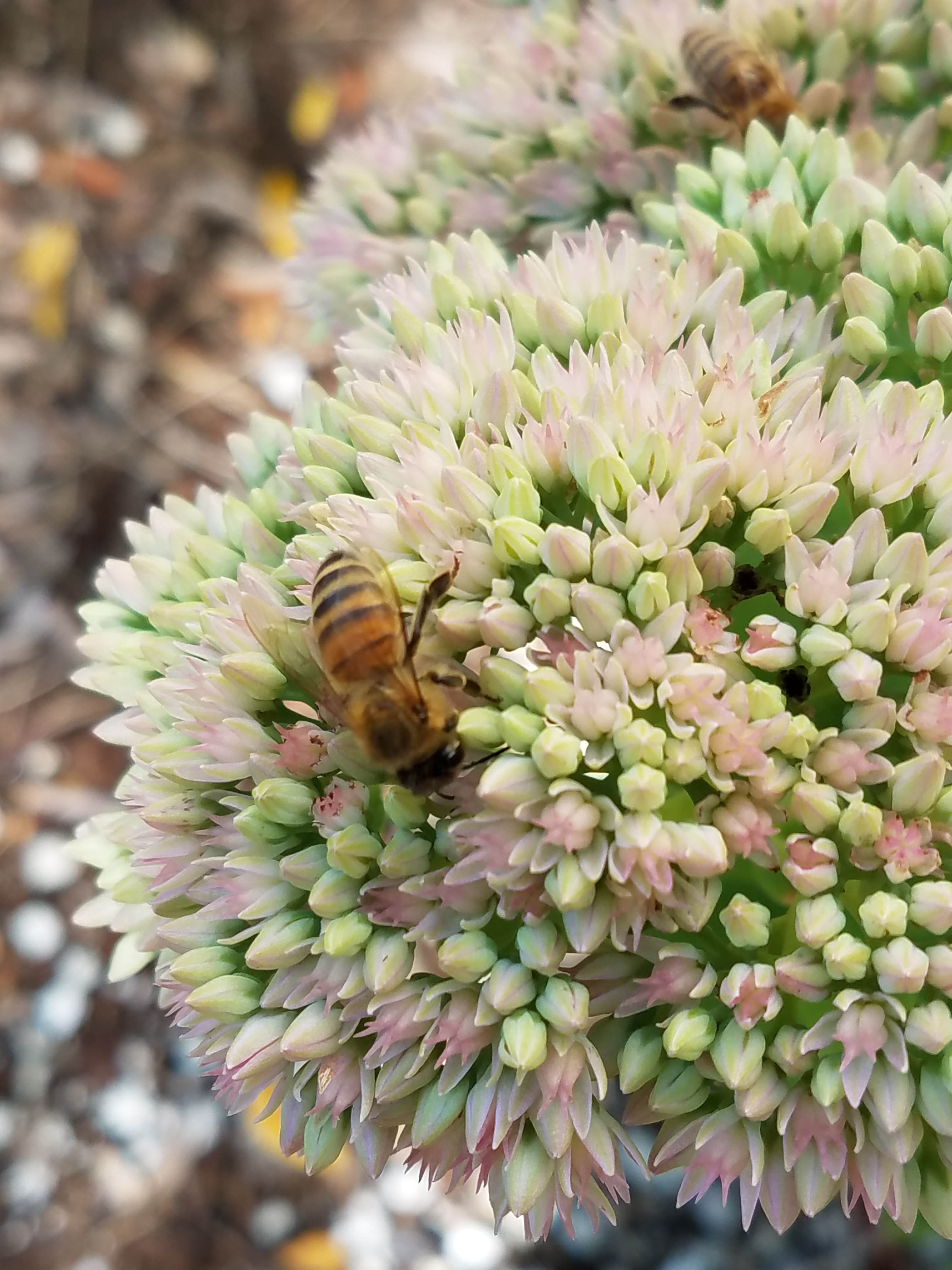
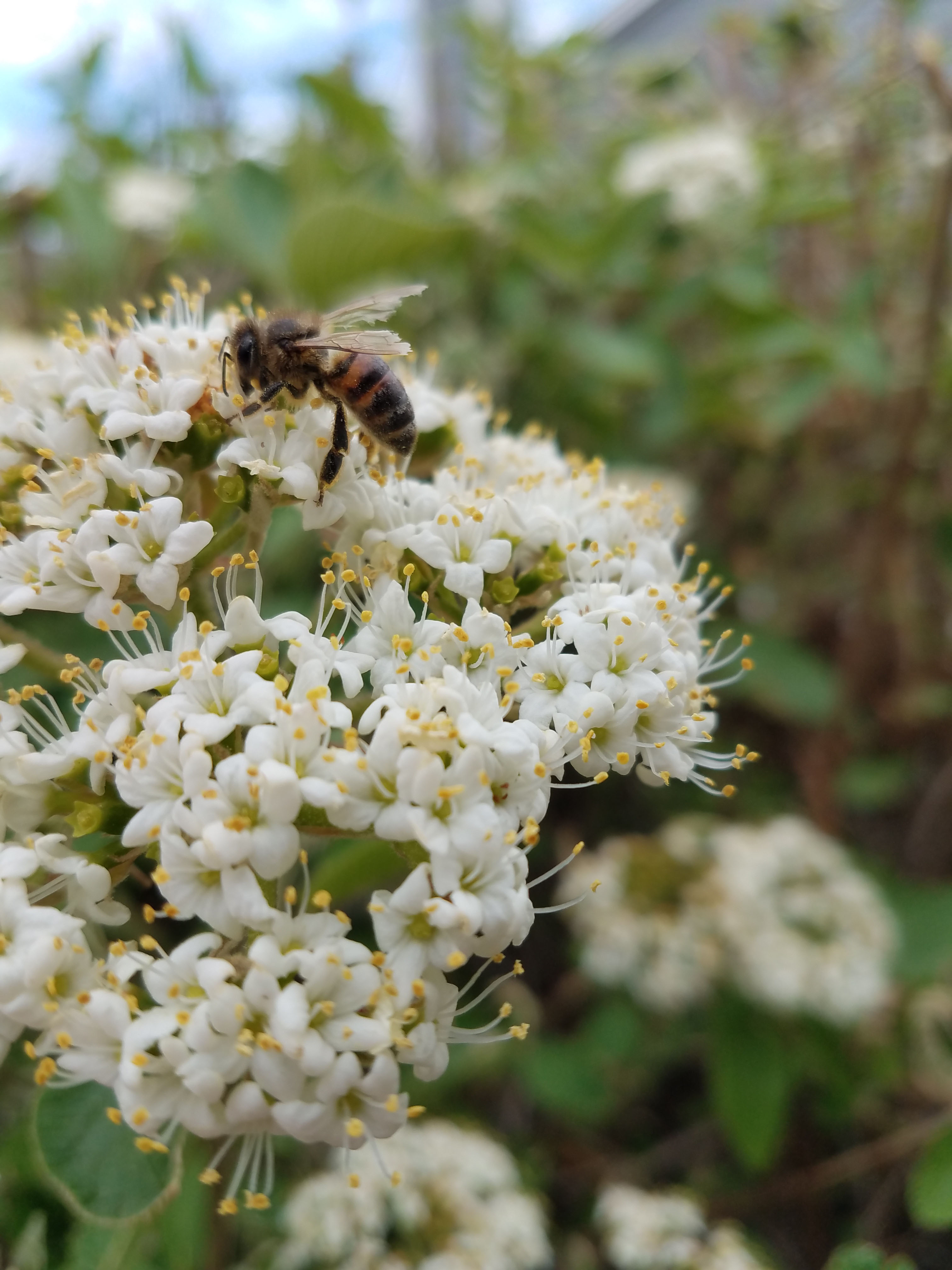
Honeybee in my catmint last year.

I just love bees! I used to be afraid of them as a child (I mean, who wouldn’t be? They are kind of scary and they sting!) until I learned the difference between bees and wasps. Now I get a little thrill seeing the bees buzzing around plants in the garden and set boundaries with the paper wasps whenever they build a hive in my yard. (Here’s the boundary… if the wasps leave me alone, they are safe. If I get harassed or stung that nest is history!)

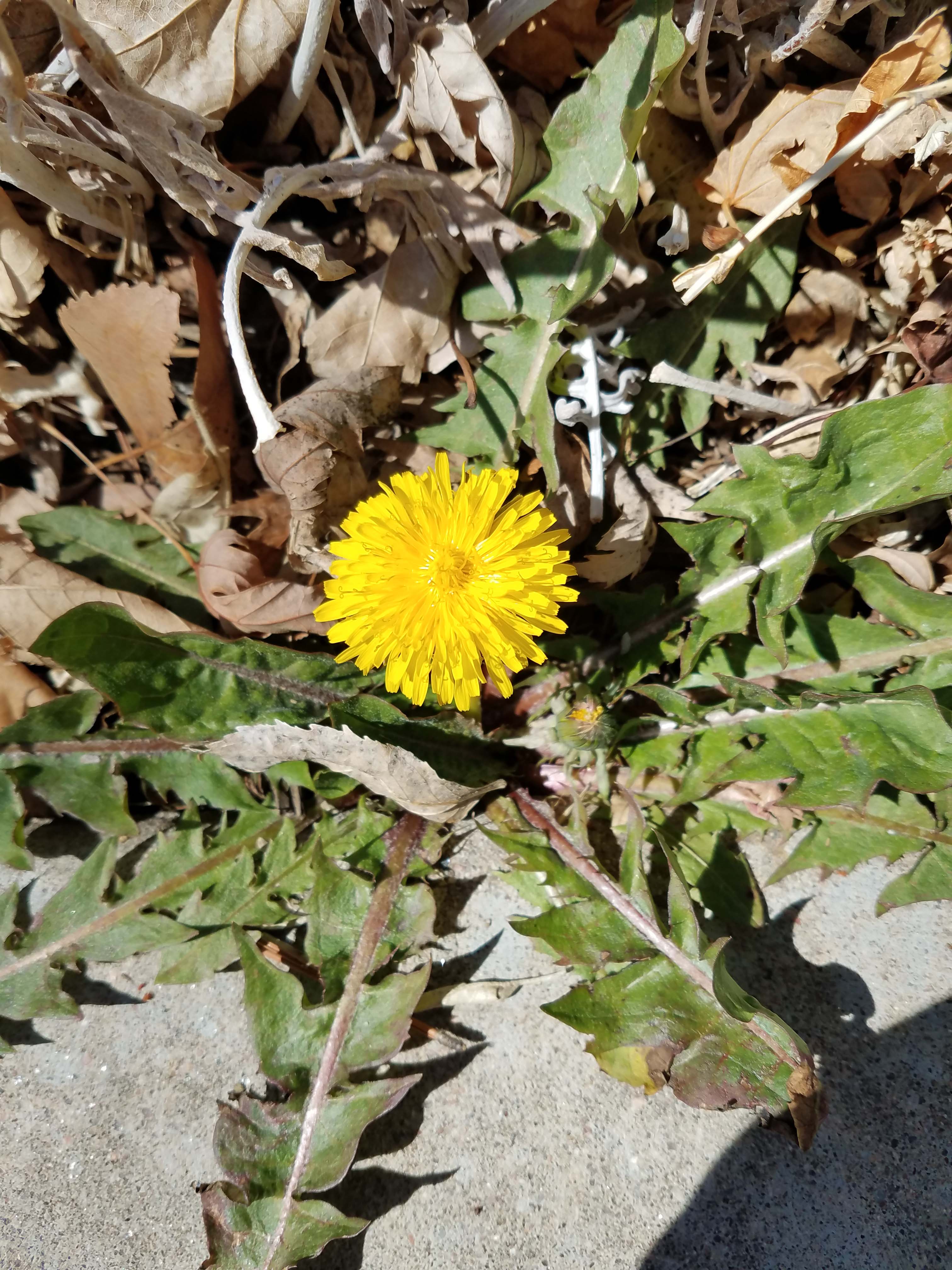
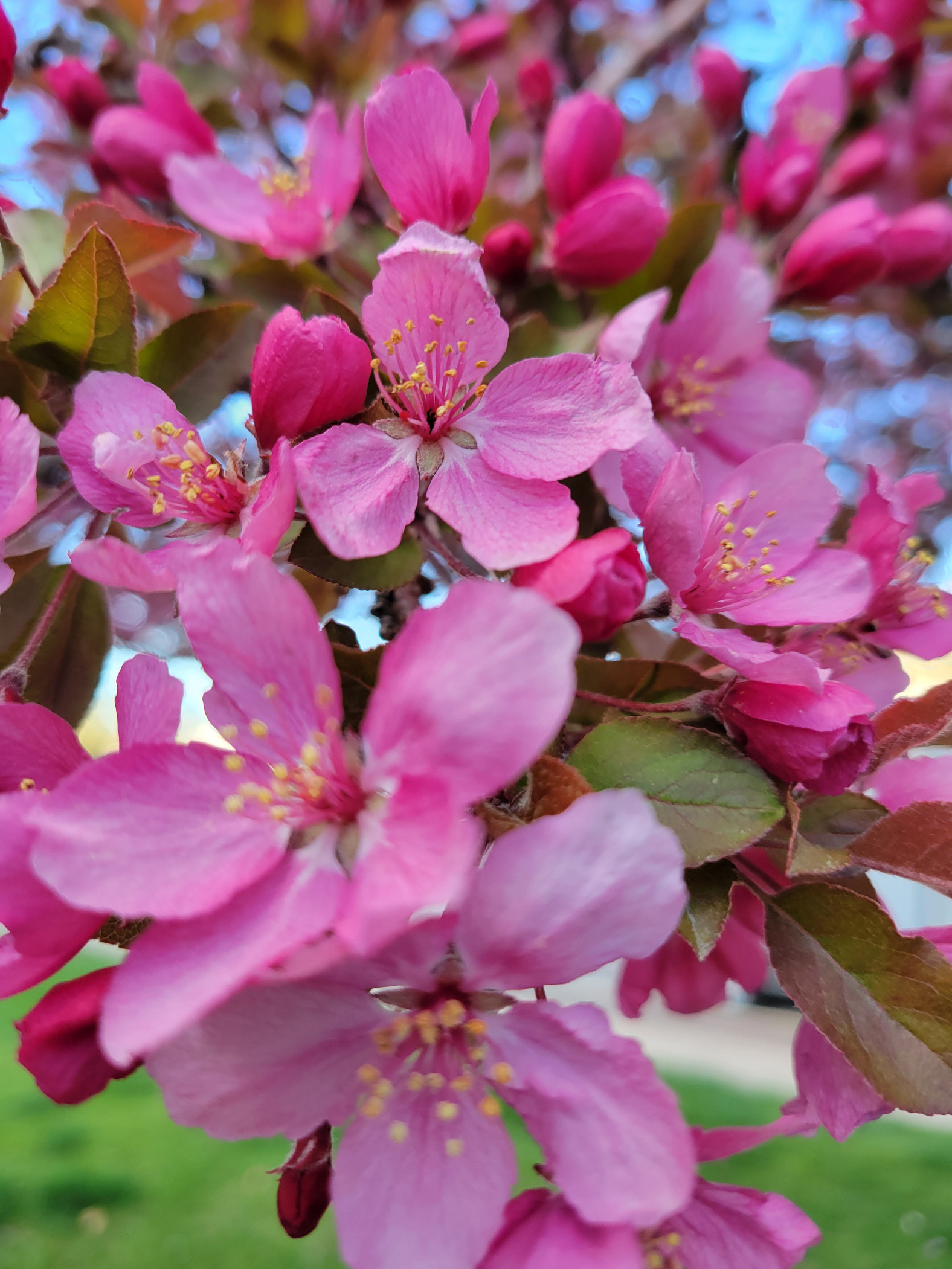
Of course, I am planting things that the bees like in my yard! They just love my sedum and viburnum along with the catmint, but they also spend some time with the dandelions. They absolutely love the neighborhood flowering trees. Just as I have established some boundaries with the wasps in my yard, I have negotiated some boundaries with the (male) neighbors over dandelions. They tend to get a little worked up if I don’t eradicate every single dandelion in the front yard, so I do stay on top of them out front… (sigh)… but in the back I have some carefully maintained dandelion plants that are now the size of romaine lettuces. Bees love dandelions!! Since dandelions bloom really early in the spring they are an important source of pollen for bees so I let them bloom and then cut off the seed globes before the seeds fly. Later in the year the leaves on those dandelion plants are food for my wild bunny. Shhhh… the dandelions are a secret that my favorite neighbor, Alton, doesn’t know about. He mows the front lawn for me every week in the summer, and wonders why I won’t let him do the back yard… 🙂

Bunnies eat dandelions!

Long ago I had a bumblebee nest in my back yard. These bees (they are kind of fuzzy instead of smooth, are larger than honeybees, and mine had a red band at the top of their abdomen) live in things like woodpiles or holes in the ground. In my yard the bees were living in a hive in the ground, so I built a little shelter over the nest with flagstones. The hive survived year after year, and we came to love these gentle little bees.

Bumblebee at my catmint. See the fuzz?

The bees flew exact flight paths every afternoon coming home with pollen, and if you accidently walked into the flight path, they would bounce off you (repeatedly) and hover in the air waiting for the path to reopen. It was so cute! These bees were so gentle that no one in our family was ever stung except for a cat who took a nap on top of the opening to the hive… sad boy, we found the bee clinging to his belly once we calmed him down.

Morgan: that bee was a nightmare!!!

Every year as a biology teacher my students and I learned about bees as we watched a NOVA program together called Tales from the Hive. The students loved, loved, loved this show. I attended a workshop on bees at the University of Colorado and put my name in to win a beehive for my classroom and sadly lost to another teacher who absolutely, positively did not deserve that hive as much as I did (!!!) but I’m over it now. Sniff. The students and I were all crushed at the news that I had lost…

Why learn about bees? Well, bees are especially important in our ecology as pollinators. Basically, flowers are all about reproduction, and if the pollen on the flower (the male part) isn’t carried to the female part of the flower there won’t be any seeds or baby plants in the future. Plants get pollinated by lots of different means, but many plants rely on bees. The flowers are specifically designed to attract bees, and bees rely on the flowers to survive. We benefit from this relationship between bees and plants as the resulting process produces a lot of our food. Some crops are 90% dependent on bees for reproduction, and altogether about one third of our food is dependent on bees. Believe it or not, as the blooming season moves north up the planet there are mobile beehives that travel north as well, traveling to orchards and fields, bringing the bees as pollinators for those crops. As a teacher I could use bees to teach about ecology, evolution, invertebrates, sociobiology, and bioethics. Bees were really important to me as a teacher!
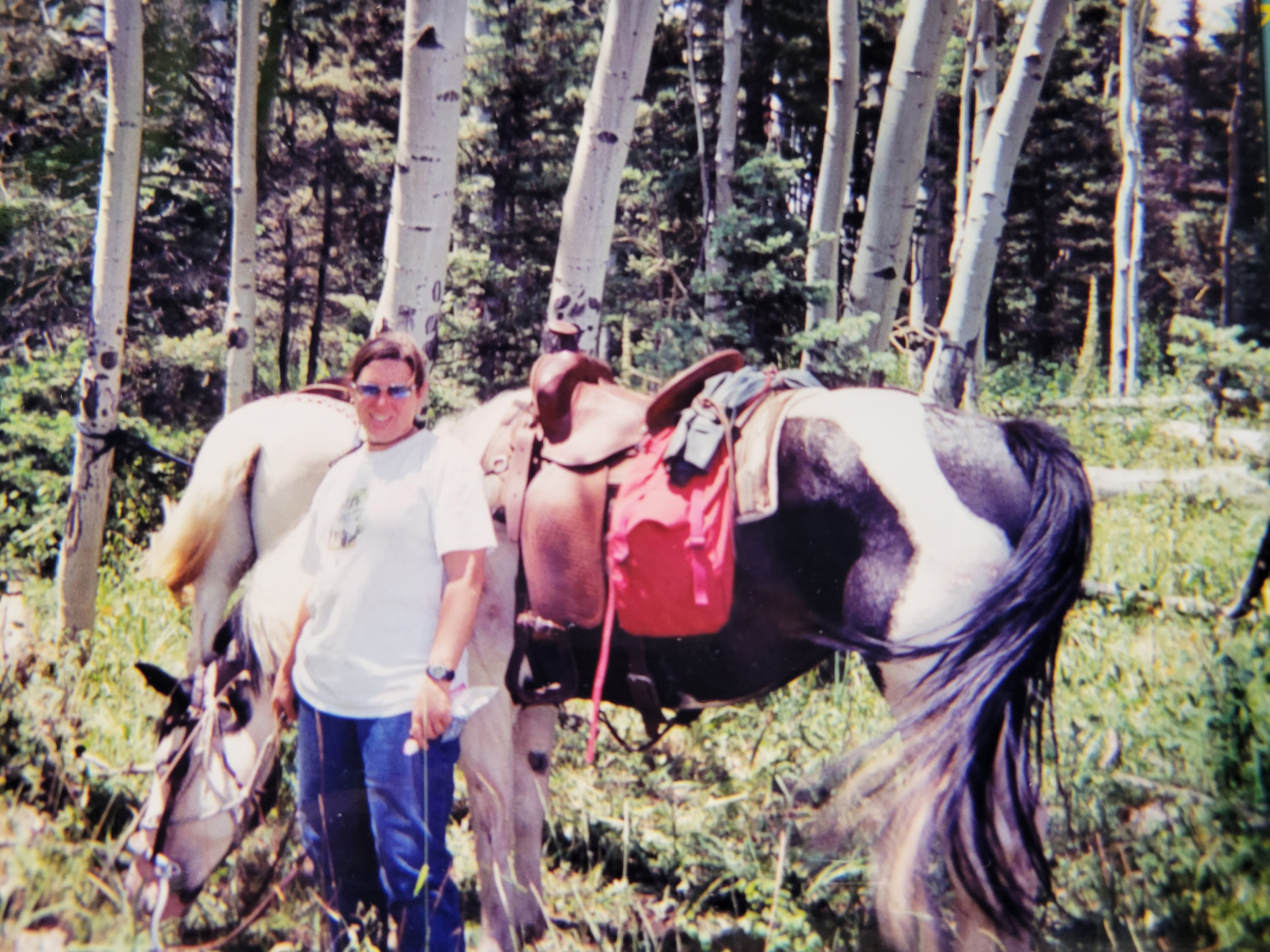
So, how much do I love bees? Well, I spent a summer reading a whole series of books about bees and blogged about it here. I spent a week one June on horseback in the Colorado wilderness riding a horse named Industrious Bee.

Bee and me. What a great week that was!!

I spent another summer teaching an advanced biology program with the best student teacher ever and learned even more about bees here in Colorado because his mother was a beekeeper. When the program ended in July, I received a little gift package of honey from him. See. If bees are involved, all things are good!

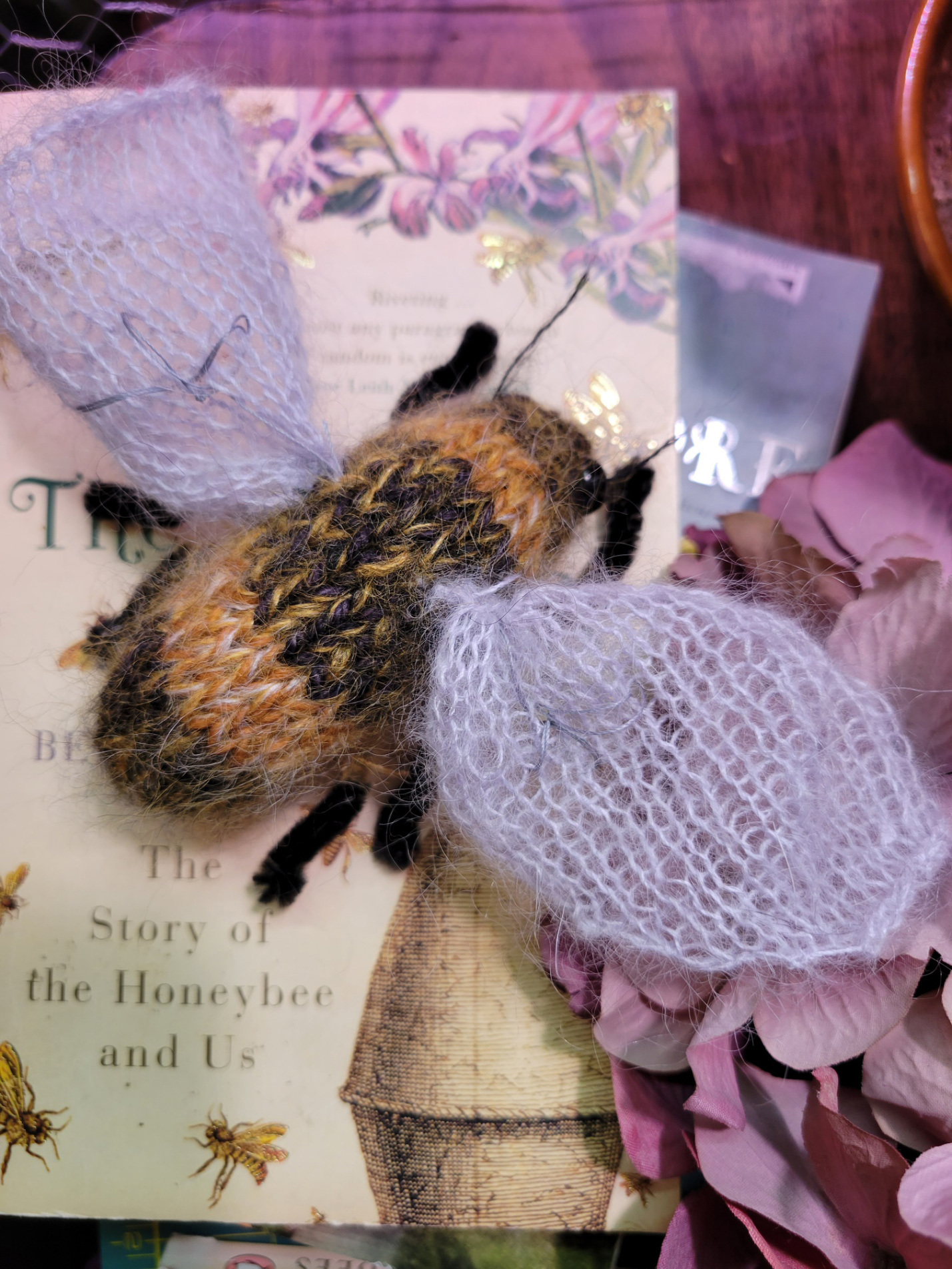
How much do I love bees? Well, I knitted myself my own little bee to keep me company over the winter.

The pattern for this bee is by Claire Garland and is called Bees are Beautiful.

Yes, they are!

Month’s End Report: March, 2022

All of a sudden, the season has changed on me. There are birds in my yard, the light is brighter, my backyard bunny is once again entertaining the cats, and shoots of green are starting to peek at me from under the winter bedding of leaves that I put in the gardens last fall. The cats are much more active as they rocket from window to window through the house tracking squirrels traveling from my front tree, over the roof, and then along the back fences (this is known as Squirrel Route One in my house). The fatigue-inducing storms of winter are transitioning to spring rains, and the first flowers are right around the corner. Bye, winter. Glad to see you gone.

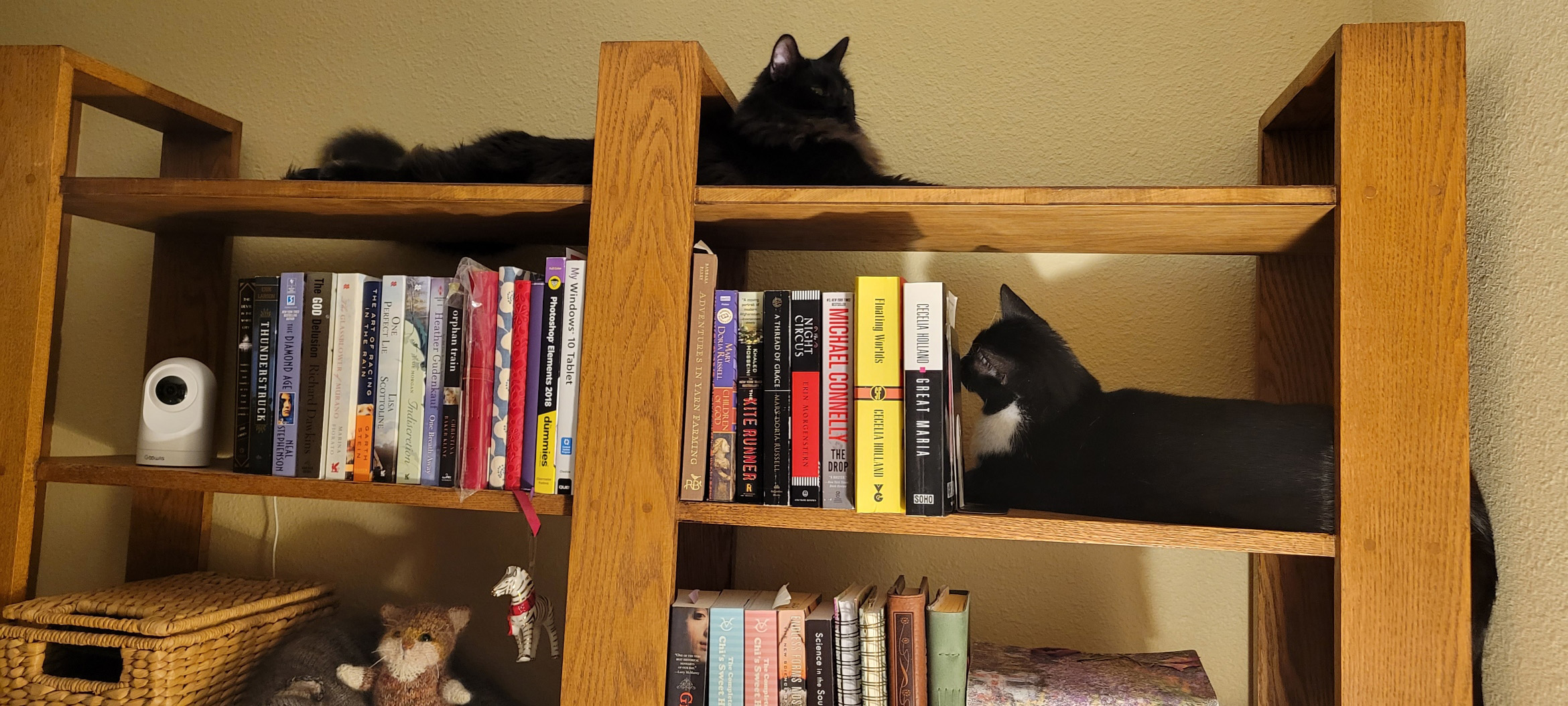
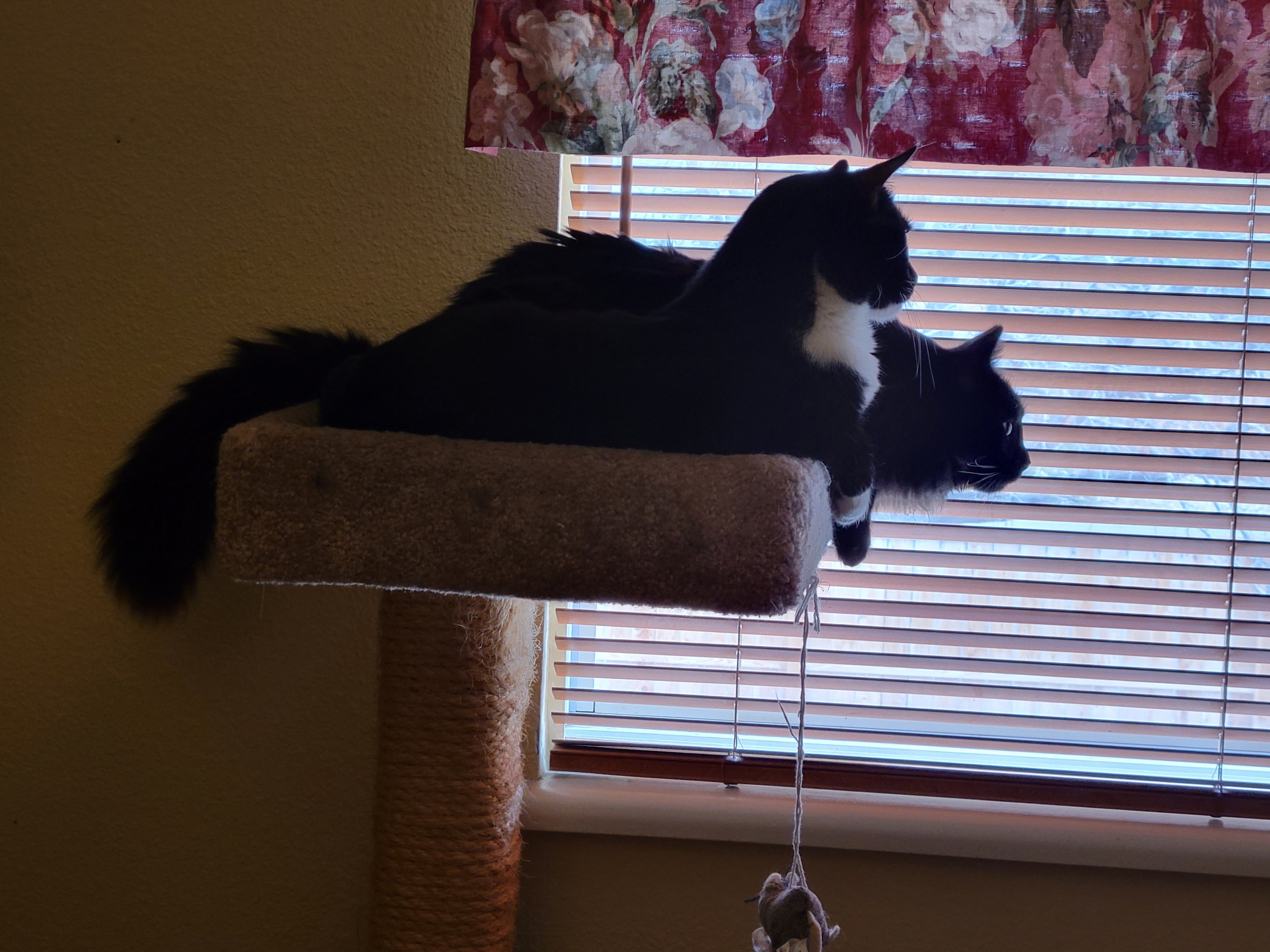
When the cats take a break from squirrel tracking and bunny watching they hang out on my bedroom bookshelf keeping their eyes on me. Since I spent most of the month in bed, they have been up there quite a lot.

Knitting

I really have gotten a lot of knitting done this month. Since I’m tracking my knitting for the year (well, actually, the number of skeins that I can get out of the stash), I thought that I would also give a quarterly update on my progress.

I’m continuing to knit hats and PICC line covers for the Kaiser infusion centers.

So far I’ve knitted 20 hats and 19 PICC line covers this year. Early in the month I delivered all the hats and covers to one of the infusion centers on my way to an appointment with the rheumatologist. The infusion center had a huge impact on me; it was located in a spacious room with large overhead windows; sunbeams streamed down from the windows lighting up the room. There were almost 20 stations in there, along each wall under the windows, each one with a patient receiving treatment. I was stunned. So many people! I must knit faster.

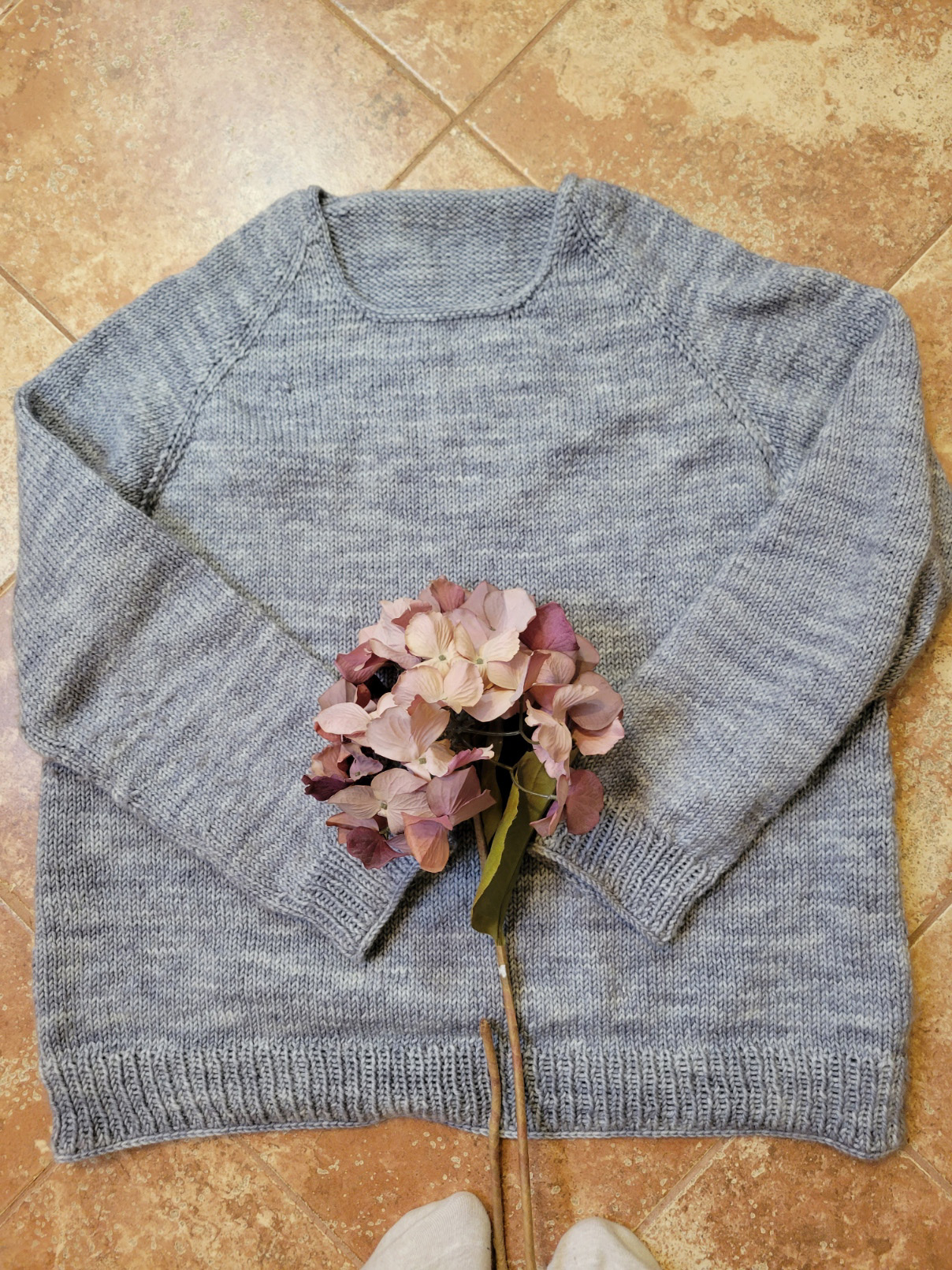
I finished a simple sweater made with merino/cashmere yarn that is like a comfy sweatshirt to wear. Also, it goes with all my shawls, cowls, and mitts.

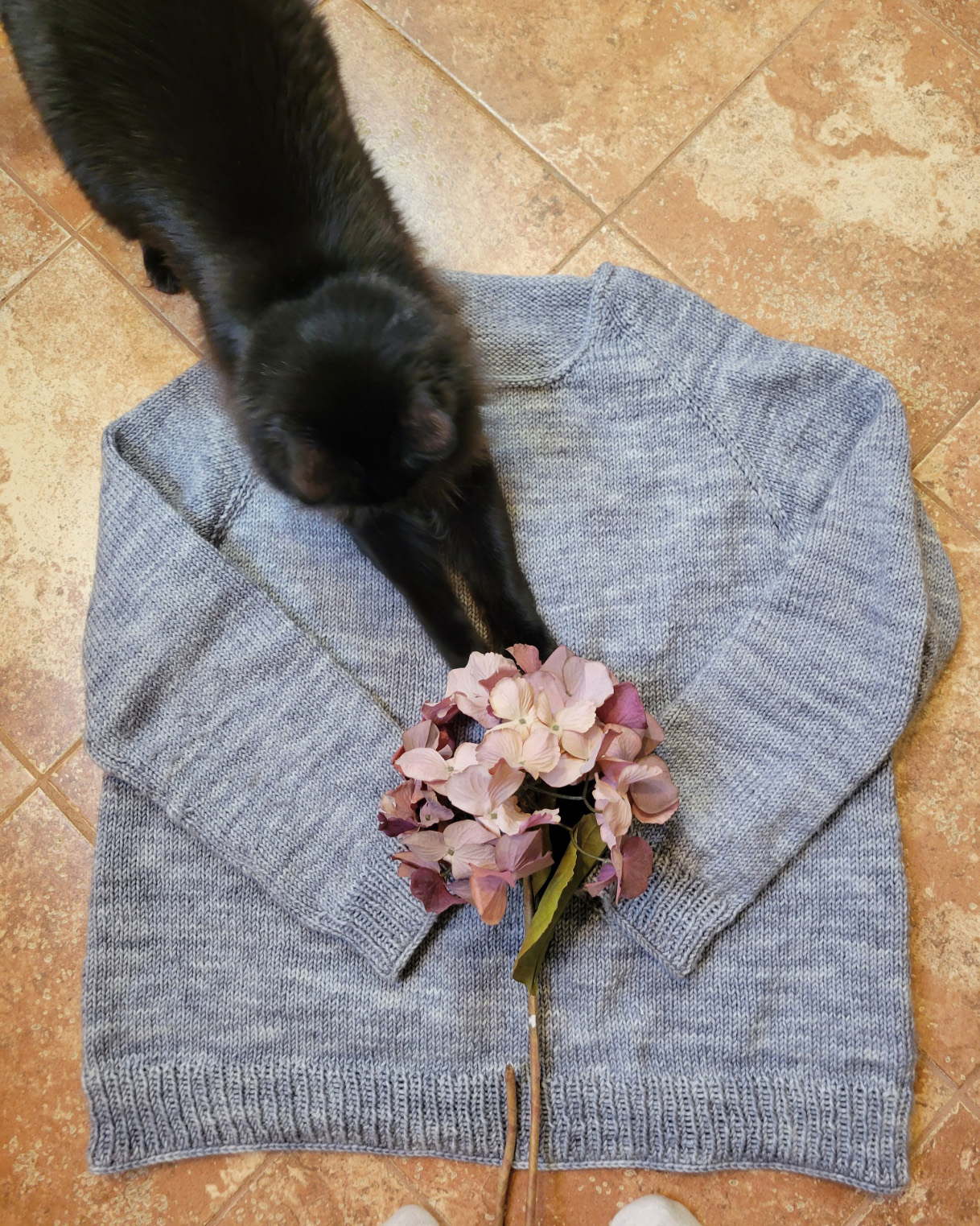
The sweater is Cushman by Isabel Kraemer. This is the second one that I have made so I was really confident with the fit and raced right through it.

I cannot stress how helpful the cats are in getting these pictures.
I have also been knitting along on a Goldenfern sweater (Jennifer Steingass). In another couple of inches I will start on the colorwork; the three golden colored yarns are for that. I plan to shade from the lightest to the darkest as I work my way down the chart.

Altogether I have knitted my way through 894 grams of yarn this month making the grand total of destashed yarn 3,154 grams (or the equivalent of 31 skeins) for the year. Okay, I did go through bins and pulled out several hundred grams of yarn that needed be thrown out… like many knitters I have saved the leftovers from almost everything I’ve knitted; at this point I need to let all of those scraps go! I had hoped to get 50 skeins out of the stash: now I’m thinking that I might manage 100 skeins. Knitting all those hats is paying off!

Garden

The outdoor garden is still dead, and the indoor garden is kind of pathetic. I’ve been buying some ferns and a spider plant to get more greenery into the house. The cats are fans of the new plants!

All the new plants are kitty safe.

Books

I’ve been reading like a champ so far this year. Mostly science fiction since I am not in the mood for thrillers, mysteries, or anything that is going to require the serious use of brain cells. I’ve been spending long blocks of time in bed with short outings to accomplish tasks in the house in the house all year. I’ve been relying on audiobooks heavily as I can listen to them when I’m too tired to hold a book (the fatigue is real, people!), and listened to more books while I was working on the quilt top that I got done this quarter too.

I was so happy to discover this little gem!

I usually don’t listen to the forward of a book, but this time I did, and I was glad that I took the time to let the author explain his book to me. John Scalzi struggled with writing a book in 2020 that he had contracted with a publisher for. Basically, he was kind of crushed by the whole Covid situation and the book wasn’t happening. He finally had to let his publisher know that the book was a no-go, only to think of another book idea a day later. A fun book. An upbeat and slightly ridiculous book with wisecracking characters and lots of fun. A book that celebrates scientific knowledge, jobs that you love, and sticks it to people who are kind of unethical in the pursuit of money/power. A book with Kaijus: those enormous monsters of Japanese fame… think Godzilla. The exact book that I needed!!

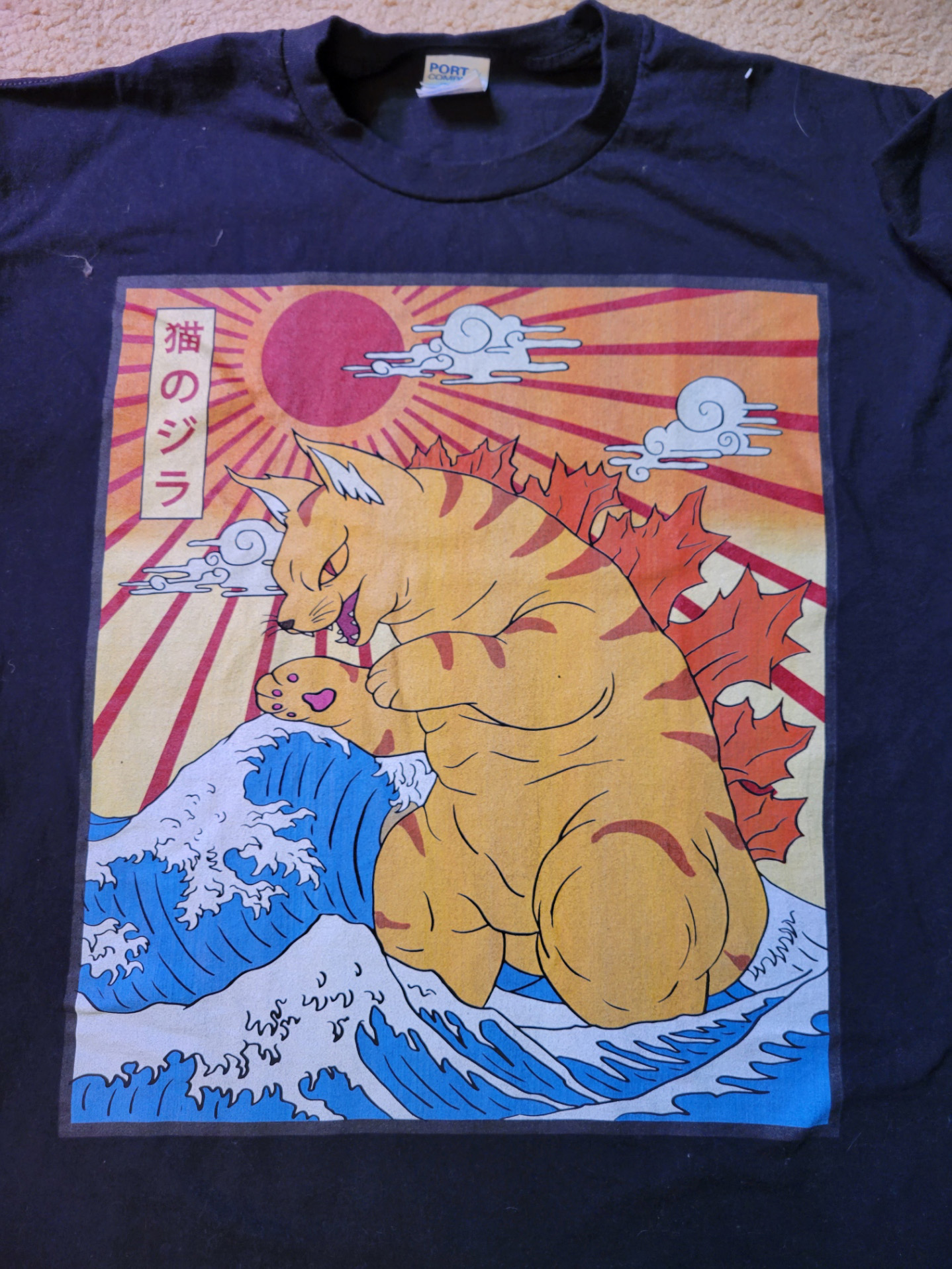
I even bought myself a Kaiju cat tee-shirt to go with my ridiculous, feel-good book.

So, how many books have I read this year so far? 19 books! The goal for the year is 50 books, so I am well on my way to meeting that goal.

That’s it for the month.

Hannah: Have a great April, everyone!! If you should come across a Kaiju, don’t try to play with it!!

The Scleroderma Chronicles: It’s okay if you cry…

My fatigue lately has been off the charts. I struggle to get the simplest of tasks done, and to be honest I just don’t feel like getting out of bed for days on end. I have been slowly, slowly sewing on a quilt top over the last few weeks. It is soooo exhausting to pin two fabrics together, guide the fabric through the sewing machine, and then to stand up to iron the seam. I handled all of this by 1) sewing only for an hour a day, and 2) lowering the ironing board so I didn’t have to stand while ironing. Take that, you nasty, exhausting fatigue!!

The quilt has a panel in the middle with really cute pictures like this one. Super cute, right?
Here’s the finished quilt top. This baby has really simple quilting in one border and then simple, simple borders around the central panel. Yeah. This took over two weeks to complete. Thanks, fatigue.

When I noticed some strange terminology on my last heart imaging test report, I contacted my pulmonologist about it, and he ordered a CT scan of my lungs. (You can read about that adventure here.) I knew that something was up when I got a call from his office telling me the date and time of the earliest possible appointment with this doctor. The nurse had intervened and made the appointment for me ahead of time. Then there was a call from the cardiologist’s nurse that was the same; an echocardiogram and appointment with that doctor had also been scheduled for me in order to secure the earliest possible appointment. Kind of the harbinger of a tough appointment, right?

Today I had a pulmonary function test and met with the pulmonologist soon afterwards. We joked about the horrible year we had both had. (He is a pulmonary critical care specialist who has been on the front lines of Covid care for two years now; for me lockdown never ended and the BLZ was running wild.) We laughed at my summation of the year: Crushed by Covid. We decided that “Crushed by Covid” could be the name of a really sad band. Then he whipped out his laptop and had me move over to look at it with him.

He had prepared for my appointment with a spreadsheet of my lung function tests over time and my latest lung scan along with that of a normal person. The spreadsheet showed that I was losing volume in my lungs. The scan of a normal lung was really interesting (old biology teacher here…) and then we looked at mine.

Um… my lungs were really cloudy. Like frosted glass. Like… “Hey. Is that what they call ground glass lung?” I asked.

“Yes. That is exactly what we’re looking at. That’s why I wanted you to come in. This isn’t the type of conversation that you have over the phone,” he replied.

Ground glass is not good, folks. Ground glass is the type of lung imaging that Covid patients with pneumonia have. Covid presents like systemic sclerosis because there is an extreme immune response going on in the lungs; both are aggressively treated with drugs that target the immune system. I also have some honeycombing that is the beginning of fibrosis; first the inflammation (which creates the ground glass appearance), then the fibrosis follows. My ground glass lungs are, in his opinion, absolutely not Covid. It is not likely to be just pulmonary edema. It’s systemic sclerosis at its worst. This is interstitial lung disease.

So, it is not good. On the other hand, this is good. I’m in trouble, but the problem has been identified early on and that means aggressive treatment now may stave off the worst of the fibrosis. I am so glad (and lucky) that I googled those crazy medical terms and then followed through with an email to my pulmonologist.

I’ve been referred to a surgeon for a lung biopsy procedure. Evidently that will land me in the hospital for a few days. Following that, if things go to plan, I will be started on more aggressive immunosuppressive drugs. He is going to talk to my rheumatologist about starting a course of chemo and an anti-fibrotic drug. One of the last things that my pulmonologist said to me was, “It’s okay to cry about this, but we have a plan.” That’s when it hit me that this might be really bad; lockdown will continue, and the fatigue is probably going to get worse. Oxygen 24/7 is right around the corner.

Crushed by Covid plays on. What a sad little band it is.

Luckily for me and the cats it is squirrel season. They will have lots of entertainment while I’m in the hospital and laying around like a slug.

The Scleroderma Chronicles: The shunt hunt takes a left turn…

I’ve been continuing my adventures in cardiology over the last several weeks. If you have been following along on my scleroderma adventures you know that I had a trip to the Cath lab that led to the discovery of a cardiac shunt: a hole in my heart. I also was eventually diagnosed with exercise-induced pulmonary hypertension and started on drugs to treat it, which is a lengthy process as I was slowly titered up on two different drugs while monitoring for side effects. I’ve been mostly living in bed for the last 6 weeks except for short trips out for more testing and blood work. The cats have been loving this, by the way. I’m kind of their captive right now.

This is edema in my arm. I’ve been dealing with headaches, muscle pain, edema, low blood pressure, and extreme fatigue. I cough a lot. Every new weather system is a nightmare. Ugh!

While the whole process has been pretty difficult, I am breathing much, much better and that blue lipped thing has mostly faded away. No more panting!! I haven’t had to put my head down because I felt faint for weeks. This is huge, people!!

I may have to retire the whole BLZ logo the way things are going!

My cardiologist is still hunting for the shunt that was detected in the Cath lab. I have one that they can see (a patent foramen ovale, which is pretty common), but for the really significant disruption of circulation that was detected in the Cath lab the feeling is that I have something much bigger somewhere. I’ve gone through 3 rounds of testing looking for the dang thing, and so far, no joy.

When the test results come in, I always read the entire text and google terms that I don’t recognize. The last imaging of my heart did not find the shunt, and my cardiologist sent an email letting me know that my heart looked pretty good. Umm… okay, but where is that infernal shunt?!!! This is getting a little frustrating, but I am doing better, so I guess I should just roll with it. I did notice this little sentence in the report about the portion of my lungs seen in the heart imaging: “There is mild subpleural reticulation and bibasilar atelectasis.” Say what? I googled and …. bibasilar atelectasis is a partially collapsed lung. I shot off a little email to my pulmonologist to ask if this was something new.

This is why I decided to write this post. As it turns out, this is new. Both of the things that were noted in that test result were significant (subpleural reticulation is evidence of scarring in my lung), and I was immediately sent to get a specialized lung scan that shows I have sustained moderate advancing lung damage over the last 10 months. Oh. No wonder I’m so exhausted. At least they didn’t use the word “severe” in the report. I seem to have developed pulmonary edema and my lungs took a big hit during the last few months; scleroderma is now attacking my lungs. If I hadn’t read that report and then contacted my doctor, no one would have picked up on this. The BLZ may be on hiatus, but the lessons she learned during that drive for the pulmonary hypertension diagnosis really paid off now.

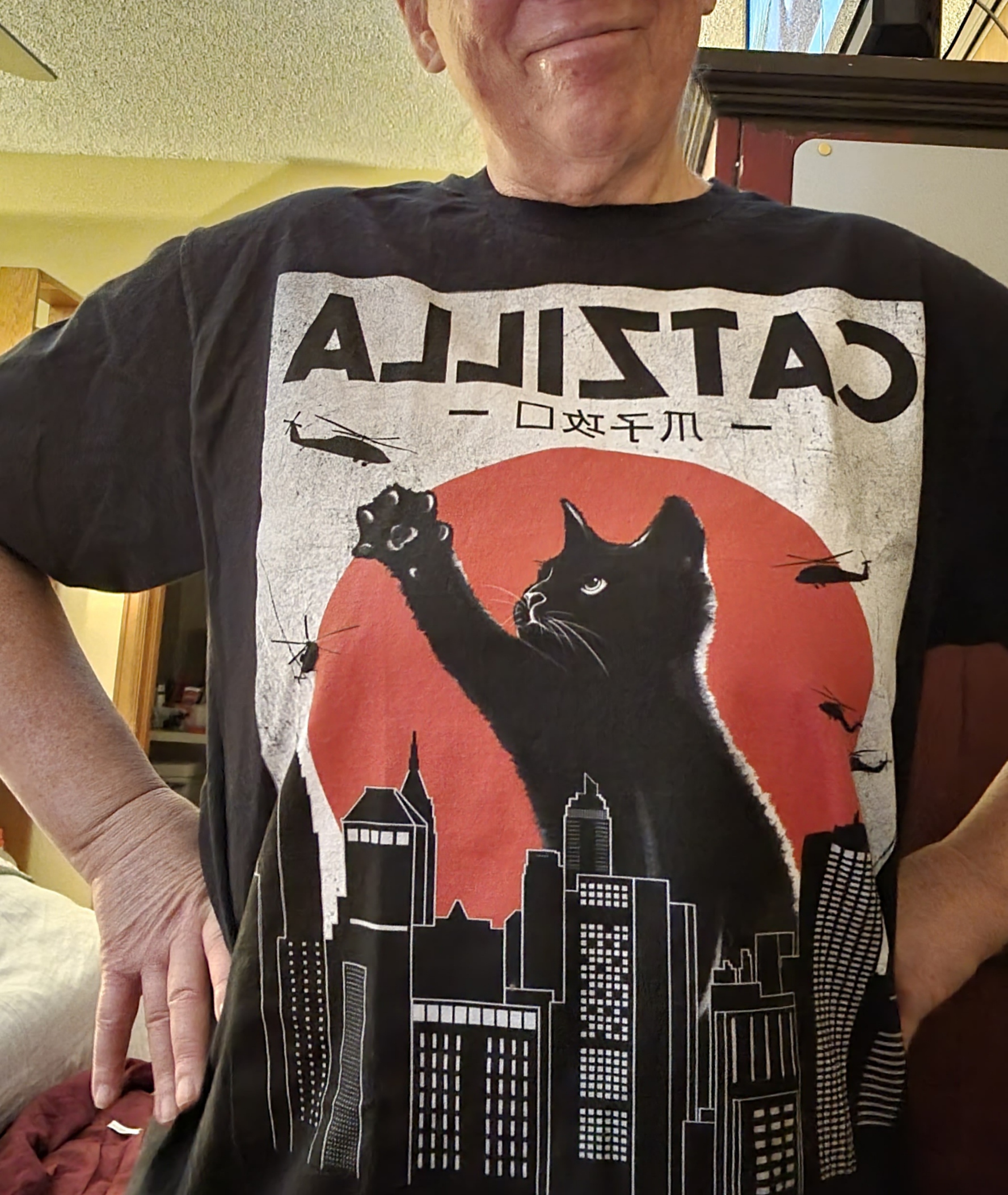
What do you do when you get a sad little lung report? Why, you put on your Catzilla shirt and go start a load of laundry, of course!!

Tuesday I go for a pulmonary function test and then immediately afterwards I will meet with my pulmonologist. I’m kind of thinking that there might be more drugs in my future. Anyway, there is a lesson here that I decided I should share with you all.

Be proactive! Read your test results and ask questions of your doctors. Google is your friend, and those online portals that let you shoot your doctor an email are priceless! Use them!

And now readers, back to the shunt hunt…

Mateo: and now readers, back to my nap! After that I’m going to go swat some more helicopters!

The Biogeek Memoirs: Goldfish

I know, I know. You were hoping for something a little on the wild side like, maybe, pronghorn antelope, and here I am writing about… goldfish. Hey, goldfish are kind of cool, and I have a lot of fun memories about them.

My first goldfish tank was delivered to my house by my mom as a gift for my oldest son. That tank led to another in time, and then classroom fish tanks, and finally a huge tank in my family room. Goldfish are great. Goldfish are the stuff of science if you are an intrepid biology teacher who can deal with the chaos and squeals in your classroom.

I had a large tank towards the front of my classroom that housed a variety of goldfish.

I kept a few fancy goldfish in the classroom tank, and during the year new fish would get dumped in because they were short term visitors destined to do science with the kids. The new fish were usually cheap feeder fish sold by pet stores as food for turtles, snakes, and other hungry critters. These lucky guys hit the jackpot since they got to do science!

Goldfish respiration lab. The student is counting how many times the goldfish opens and closes its gill covers each minute.

Goldfish are cold blooded critters, so their need for oxygen is determined by their environment. If the water is warm, the fish need more oxygen. If the water is cold, they need less oxygen. Oxygen use reflects the rate of biochemical reactions in living things; determining how fast the fish is “breathing” in different water temperatures can reveal the relationship in the fish between the water temperature and how fast it can do its body chemistry to produce energy. This lab was a riot as the kids handled the fish, ice cubes, warm water, and got their data collected and graphed. I’m pretty sure that they found that the fish chemistry doubled every 10 degrees. Oh. That’s why fish in cold water are sluggish!

Once the lab was finished the fish were returned to the aquarium to live their best lives until they could be adop1ed out to new homes. Yep. These fish were a hot ticket item and there was a drawing to decide who could take one home.

Fish who didn’t get a home right away got to hang around for a second round of science. Did you know that if you carefully catch a goldfish, wrap it up in a wet paper towel, and then pop the tail under a microscope you can see the flow of blood through the tail? Yep!! It is pretty amazing! Here’s a YouTube video showing the blood moving though the blood vessels in the fish tail (really cool!), and here is another one showing a student doing the lab. The whole fish burrito treatment isn’t too hard on the fish if you get them back into the tank within ten minutes, and I only used one fish for each class as I could project the digital image from the microscope onto the classroom screen so everyone could see what was happening. You can count the pulse of the goldfish that way!

One day a student brought me come crayfish left over from his father’s restaurant order and we added them to the fish tank. Oops. Crayfish can catch goldfish. Talk about chaos in the classroom! Um… natural selection, anyone? Several fish were lost to the crayfish but one wiley little comet goldfish evaded the crayfish with ease and eventually outlived them all. It grew to become a 6 inch goldfish giant that the students named Fred. Fred learned to beg for food. Fred loved the 6th period class more than any other because they brought him scraps of lettuce and oranges from lunch every day. Fred was so big he had the whole tank to himself unless some little feeder fish were visiting for a lab. Fred went to another classroom one quarter during a big lab push in my classroom and we had to bring him back because students told me that Fred was getting scared and picked on in its new classroom habitat.

Yep. An important classroom lesson about the responsible and ethical care of the creatures under our control was delivered by… a goldfish.

When I left that school for another job in the district Fred came home with me and lived out the rest of his life in a bigger tank with some nice fancy goldfish to keep him company. I think that he still missed the students.

Hannah and the CoalBear have their birthdays this month!

I’ve been thinking about goldfish lately because Mateo (AKA the CoalBear) needs lots of attention. There isn’t enough entertainment in the world to meet his needs. I have bought him lots of new toys. He chases feather teasers and the laser light every day. There are cat trees in the windows so he can watch the squirrels and the bunny. He gets tons of attention!

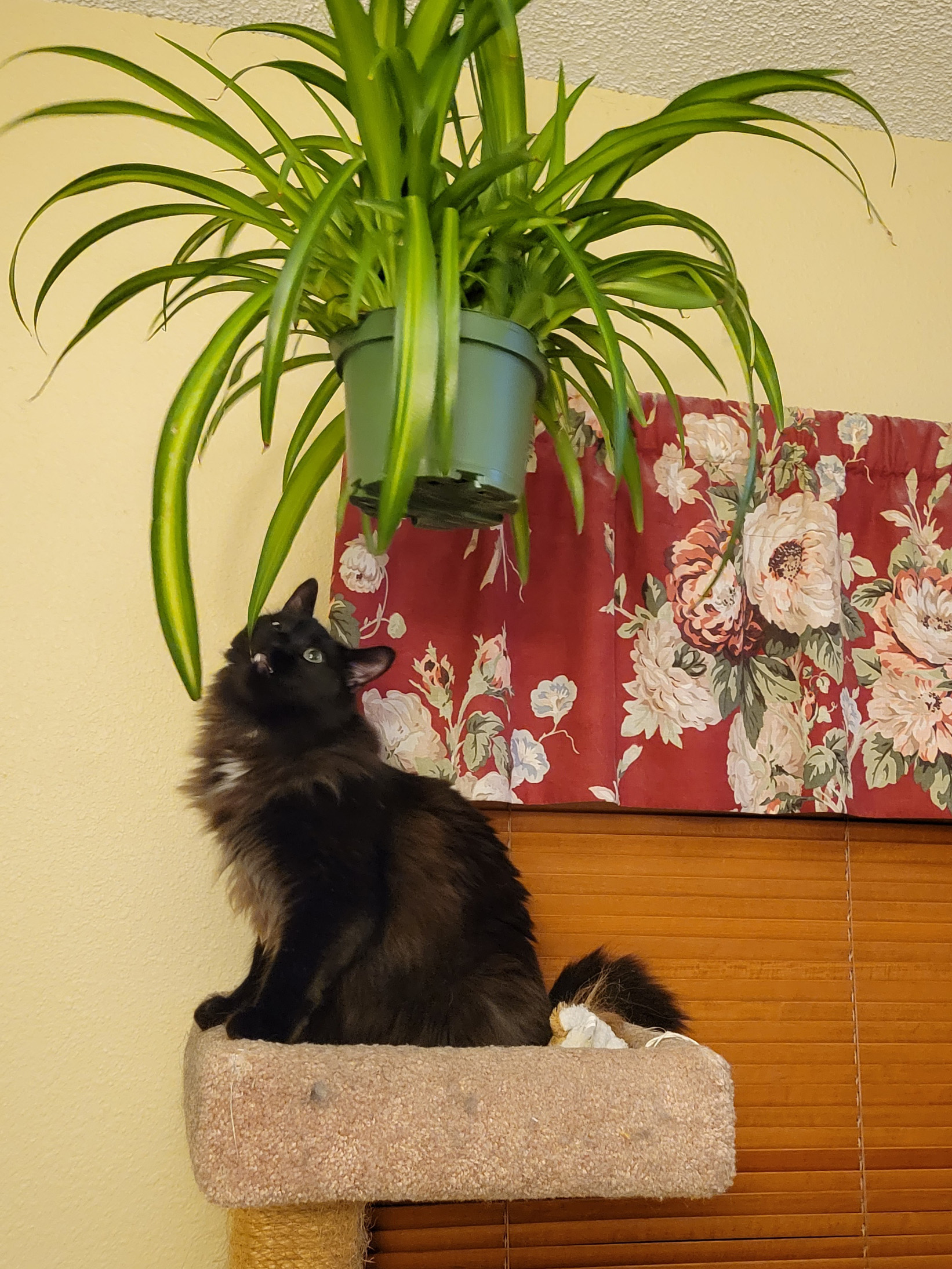
I bought the cats a spider plant to hang over their cat tree! Mateo has been playing (and munching on) the new plant.

I’m now thinking of getting the cats a little goldfish tank to watch.

Yeah. A goldfish aquarium! That’s the ticket.

It’s not like I’m longing for a tank of fish. Oh, no, nothing like that.

Goldfish memories are the best.

The BioGeek Memoirs: Rose

My mother was a great lover of roses. One of my earliest memories was of an ongoing battle she had with the family dog and a newly planted rose bush. My mom planted the rose bush in a garden along one side of the house. The dog dug it up. My mom replanted the rose bush, and the dog, a boxer mix, dug it up again.

My mother, not one to give up easily, spanked the dog with the rose bush and replanted it.

Not my mom’s roses, but they were bright red like these.

That bush did really well and was covered with blooms every year. I can’t remember the color for sure, but I think that they were red. Our dog was so well behaved in the garden for the rest of her life that the story of the rose bush battle took on the stuff of legend. Look at that rose bush, my sister would say. Mom once spanked the dog with that bush!!

Later in her life my mom grew tea roses in her garden that were also the stuff of legend. These shrubs were huge; at least 4 feet high and the producers of really showy blooms; people occasionally knocked on my mom’s door to ask what type of rose they were. I once asked my mom what she did to get her roses to grow and bloom so well. I expected to hear some complicated formula to produce fabulous blooms that featured bone meal, wood ashes, and who knows what else… Nope. It was a really, really easy routine. Feed the roses Miracle Gro fertilizer every week, prune them once a month, and if they didn’t respond satisfactorily rip the shrub out and go buy another one. My mom, an agent of evolution in her rose garden. Who knew her success was partly due to ruthless natural selection? That earlier incident with the dog should have tipped us off!

Now I grow roses. I feed them Miracle Gro, prune them after each blooming, protect them from early frosts, mulch them with care. They are doing well, but not as well as my mom’s did. I tell myself that is because I live in a different climate from the one where she grew her show-stopping roses, but the truth is she had quite a gift for rose growing. Anyway, here are my favorites.

The pink rose on the left is Princess Alexandra of Kent, the yellow rose is Charles Darwin, and the one on the right is Hot Cocoa. I just love the English roses for their shape and scent, but they don’t do that well in my climate. The Hot Cocoa rose is hardier and handles the heat and low humidity better. Anyway, don’t they look nice?

Wait. I have more roses!

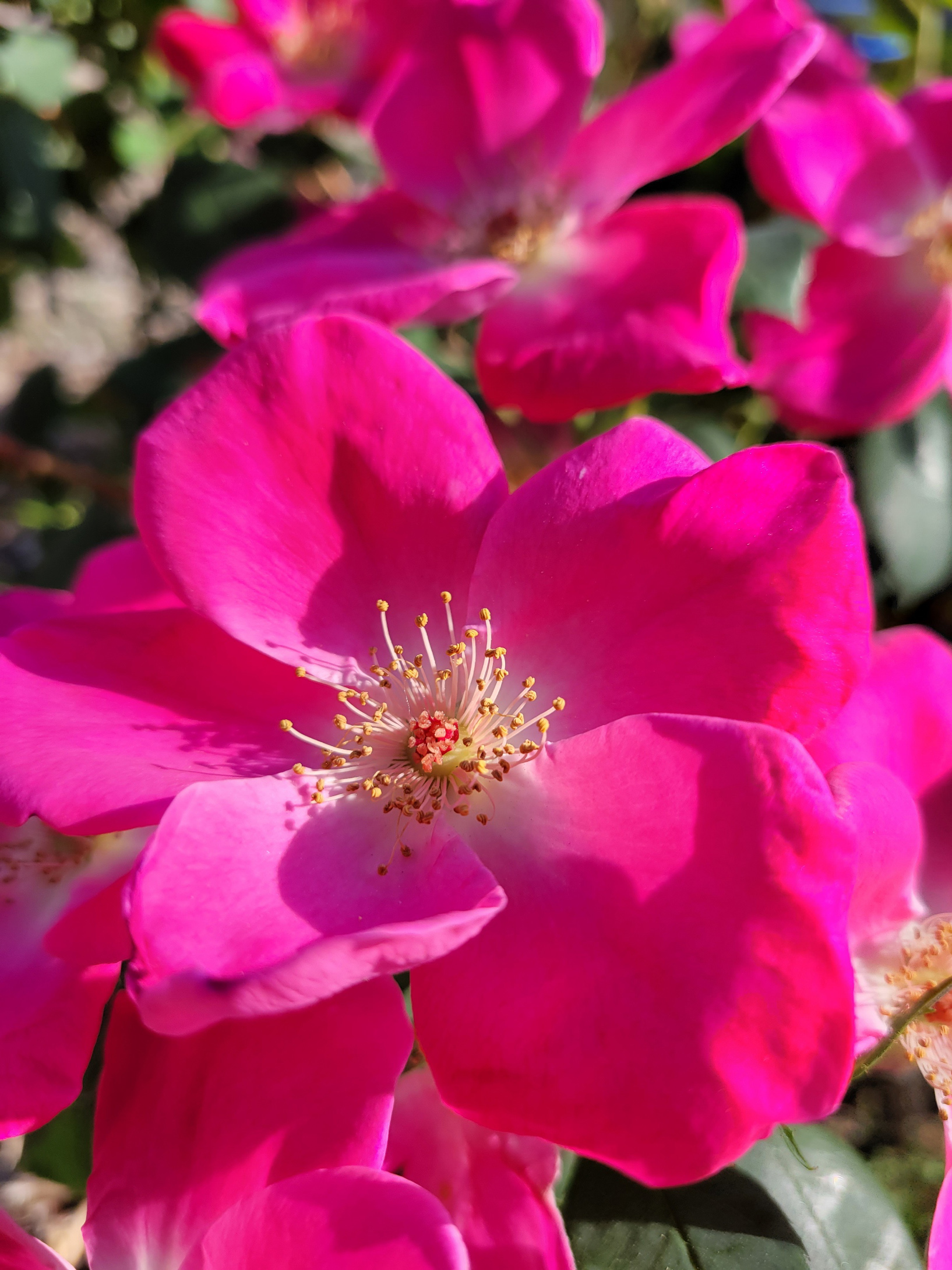
These roses are more like the wild ones that grow in our mountains. The one on the left is a Home Run, and the one on the right is a Cinco de Mayo rose. I love these guys; simple, hard-working and favorites with the bees. They handle the climate here well and flourish in the long dry summers.

I do have more roses, but you get the idea. There are rose bushes along the driveway, at the front of the house, in all the flower beds in the back yard, and even in pots in the house. You can never have too many roses is kind of a motto of mine.

I grow the roses for myself, but I also grow them for my mom and the other rose growers in my family. My aunt grew roses too and had a huge climber that I envy to this day. For all I know rose growing has been going on for generations in my family. Every single rose shrub, each rose bloom, is a link to the past and a promise of beauty in the future. You can never go wrong with a rose.

My mom died one year early in May after a long battle with cancer. A few days after the funeral was Mother’s Day, and in her memory I planted six red floribunda roses in my front flower bed. Those roses, bright red Showbiz roses, bloomed like my mom herself was taking care of them.

One day someone knocked on my door to ask what they were.

My mom would have been so proud!!

The Scleroderma Chronicles: Rare Disease Day, 2022

Well, this is a hard topic to write about. Quite frankly, I have been getting my butt kicked lately by my (wait for it) rare diseases. Still, I am trying to respond to the calls for publicity about rare diseases along with other members of the scleroderma and pulmonary hypertension communities.

You know, I feel like I should represent.

People with rare diseases are referred to as “zebras” in the medical community.

So, what’s a rare disease? A rare disease is classified as one that impacts a small percentage of the total population. Here in the United States that means fewer than 200,000 people diagnosed with the condition/disease. Perversely, there are a lot of people with rare diseases as there are almost 7,000 different rare diseases!  Some of these diseases are common enough that you may be familiar with them: albinism, achondroplasia (a type of dwarfism), and autoimmune hepatitis are examples. Others are very rare. Most are genetic in origin, and half of them impact children. More than 90% of rare conditions have no drug treatment.

The type of scleroderma that I have, limited systemic sclerosis, is considered rare as there are about 100,000 people in the US with this diagnosis. The latest diagnosis added to my medical history is of pulmonary arterial hypertension, another rare disease, and one that is a consequence of my scleroderma. Well, I am really rare now! I have struggled to explain my scleroderma to people when they ask; how can I explain in just a few sentences something that is just frankly causing horrific damage to my body and generating an ever-growing list of diagnosed conditions. Here’s my best answer at the moment:

Scleroderma is a chronic, progressive, uncurable, and often fatal autoimmune disease that causes scaring and damage to blood vessels, skin, internal organs, and muscles/joints. It is controlled and treated through the use of immunosuppressants and drugs that address symptoms. It is a life-altering diagnosis. It is my life.

So, I have blogged about Rare Disease Day several times in the past. Here’s what I wrote a couple of years ago, and what I wrote in 2018. In the past I have written about my symptoms and the struggle of living with a rare disease. It is pretty isolating. It is hard to get diagnosed and treated. I have also written about the difficulties to get funding for research for rare diseases and conditions, and the lack of treatments and cures because the patient population is so small.

This year I thought I would share some of the things that doctors have said to me since my scleroderma diagnosis. I’ve tried to organize these into chronological order to better reflect my journey.

  • My internist: It’s good to have a diagnosis, even if it is a shame.
  • My rheumatologist when I asked him what my life would be like in 5 years: Let me run some more tests, and then we can talk.
  • My ophthalmologist: Do you have a will?
  • The physician at the regional acute diagnostic center: This is a diagnosis like cancer. Of course, some cancers can be cured.
  • A physician speaker at a scleroderma support group presentation: this drug [the immunosuppressant that I take] can really give you a chance, as long as you don’t contract an infection.
  • My old rheumatologist: All you do is complain. Maybe I should order a sleep apnea test or prescribe antidepressants.
  • My internist, as I begged for an anti-inflammatory drug: I’m sorry. There isn’t anything that I can give you that won’t hurt your kidneys.
  • My dermatologist, as she prescribed an anti-inflammatory topical gel: This is unacceptable, and I am putting a stop to it now.
  • My new rheumatologist as she orders more testing on my painful joints: Why has no one followed up on this?
  • My rheumatologist two days later: You need to get a steroid injection in your hip joint as soon as possible.
  • The hip specialist: There is nothing more that I can do for you because your scleroderma is attacking all of your tendons and ligaments. You need a hip replacement, but it will fail.
  • The physician at urgent care: I don’t think they understood how complicated your medical status is when you were referred here. You need to be hospitalized because we can’t do the testing that you need here.
  • My pulmonologist as he walked me back to the waiting room: I really admire your attitude.
  • My cardiologist as I was being sedated for a right heart cath: Don’t worry. I’ll take good care of you.
  • My cardiologist as he started me on medication for pulmonary arterial hypertension: This is challenging, and we will need to be comfortable with “out of the box” thinking.
  • My rheumatologist last week, referring to herself, the cardiologist and the pulmonologist: We are your team!
  • My rheumatologist, also last week: We need to add a gastroenterologist to the team.

You can see how rocky the start was. There is a lesson here, I think. To be rare, to be a zebra in a medical community that is designed to identify the most likely cause of symptoms in a herd of horses, is hard. It is really challenging to secure the care that you need when, no matter how hard doctors try, you do not respond to the usual treatments, and you never fit the usual profile. It is easy to be seen as a problem. It is hard to keep insisting that there is something wrong when all the test results say you are okay.

Even when you are blue-lipped and panting it can be hard to convince doctors that there is a problem.

And yet, it is possible to get there. Over time, with great determination and persistence, I have A TEAM of doctors who view themselves as active collaborators in my care. They message each other to discuss test results and possible drug interactions, and they loop me into their discussions. It is only now, newly diagnosed with a terminal condition, that I feel confident and hopeful about my care.

Today I went in for a blood draw and a little jaunt through the local bookstore. The sun was shining, I bought a Starbucks coffee, and it was a good day.

****************************************

My scleroderma-related diagnoses:

  • GI tract: difficulty swallowing, hiatal hernia, GERD, gastroparesis, chronic gastritis.
  • Kidney: stage 3 chronic kidney disease.
  • Lungs: pulmonary arterial hypertension, interstitial lung disease, asthma, partial lung collapse.
  • Heart and circulatory system: grade 2 diastolic dysfunction (a type of heart failure), Raynaud’s phenomenon, telangiectasia.
  • Muscle/Skeletal: fibromyalgia and severe joint damage.

This is scleroderma. I’m a zebra, and these are my stripes.

Happy Rare Disease Day, everyone!

The colors associated with my diseases are teal (scleroderma), purple (Sjogren’s), and periwinkle (PAH). It sounds like the start of a great sweater, huh. 🙂

The BioGeek Memoirs: Sand Dollar

I grew up in Southern California in the US not too far from beach towns. My parents would rent a cabin each summer and we spent weeks playing on the beach and in the surf. I spent many a morning playing with small animals along the beach like crabs and sea anemones and had a pretty good shell collection by the end of each summer. One of my very favorite early morning gleanings was the rare, perfect sand dollar.

Three perfect little sand dollars.

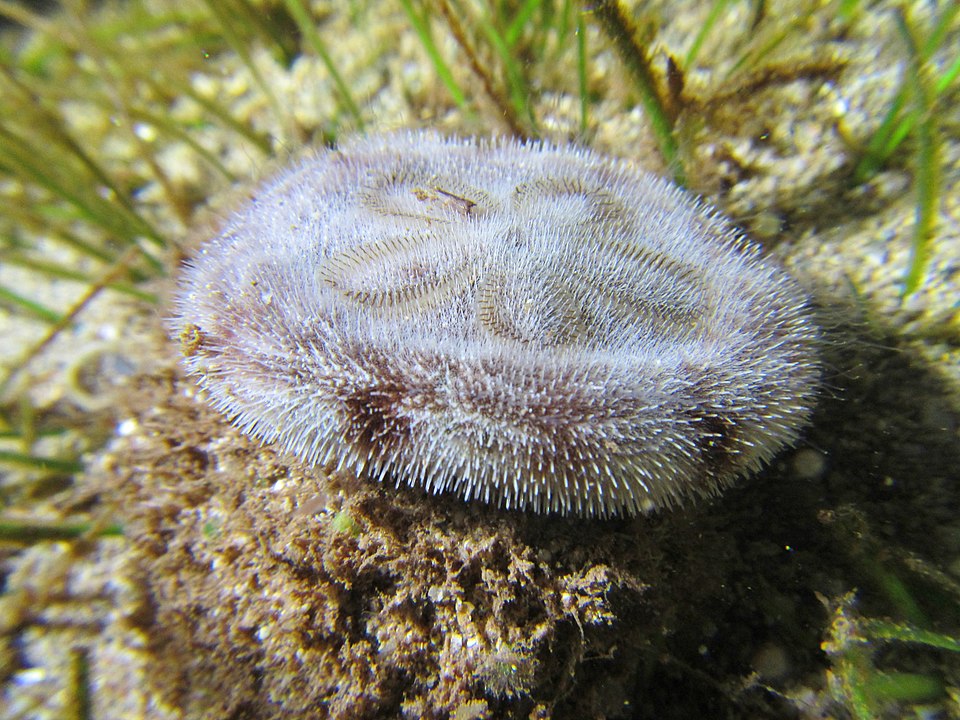
What I didn’t know as a child is that the sand dollars that I collected during early morning walks on the beach were just the skeletons of what was once a living animal that looked like this:

A living sand dollar. Credit: Frédéric Ducarme, CC BY-SA 4.0 https://creativecommons.org/licenses/by-sa/4.0, via Wikimedia Commons

I collected many, many seashells each summer; these shells were created by the animals that lived in them when they secreted and deposited calcium carbonate outside their bodies. In the case of sand dollars, the animal deposits little calcium carbonate plates internally to create the inside skeleton made of the same material as shells are. Cool, right? I never suspected that the living sand dollar was covered with all of those short fuzzy spines that helped it bury itself in the sand where it can move around. Those little guys used to live off the shore of Southern California where I lived, moving though the sand, eating little bits of algae and whatever else they could find in the sand of the ocean bottom. Preyed upon by fish, the skeletons of the dead animals washed up on the shore where I found them.

In my high school years my family moved to a beach town. Woohoo! Beachcombing for sand dollars continued year-round! I dated (and later married) a guy who loved to surf; I poked around in tide pools while he was out catching waves. My love affair with all the living things in the shoreline ecosystem continued during those years; my collection of shells and sand dollars grew.

Imperial Beach, California. Best town ever for the BioGeek high schooler.

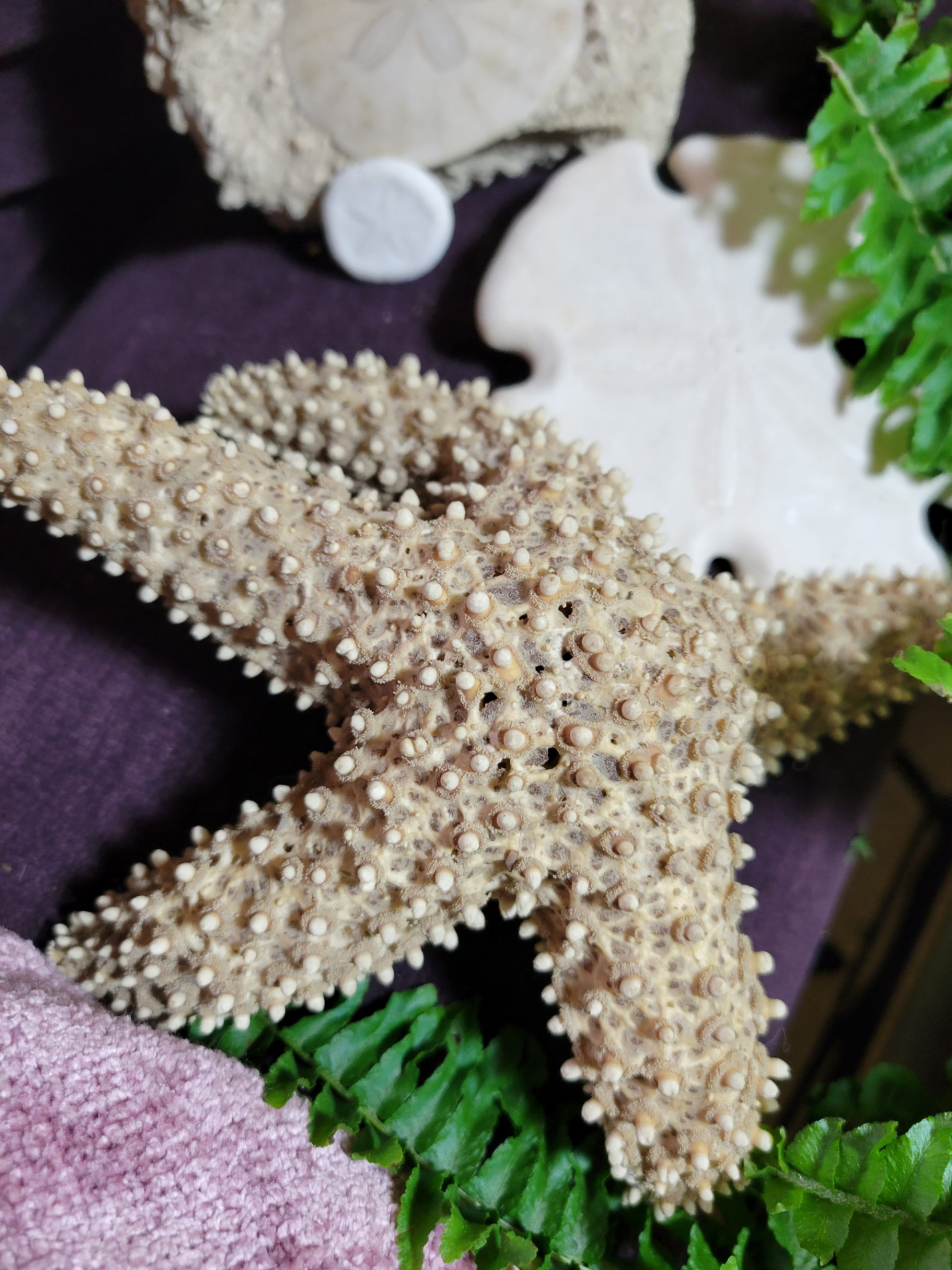
I continued to love sand dollars when I grew up. I learned in college that they, like all echinoderms, have bodies that are organized in a 5-part radial symmetry. Strange, right?! But true. All sea urchins, sand dollars (AKA sea biscuits), sea stars, and sea cucumbers have a clear 5-part body organized around a central point (that gives them their radial designation).

See the 5 arms of this sea star? When the animal was alive it looked the same no matter which arm was “down”: radial symmetry.

I have continued to accumulate sand dollars as an adult. One day I discovered 3 wonderful sand dollars in my mailbox at work: an anonymous gift from a student, I think. There was a silver and gold sand dollar necklace at a store I passed one day on a trip to San Fransisco: of course I bought it!! Then there was my trip to the Smithsonian in Washington, D.C. I saw a sand dollar fossil for sale in the gift shop.

Look at that! A fossil that is millions of years old that looks just like the sand dollars that I used to pick up on the beach as a child.

I am often struck with amazement at how this simple, simple creature has so successfully survived in its little niche over the millennia. Mostly defenseless, relying on guile, concealment, and luck, the species continues to this day.

Today my fossil sand dollar and one that I was gifted (upper right in the picture) hang out on a tray on my coffee table. I may no longer live in the beach town of my childhood, but the beach, and the animals that I loved as a child, remain with me.

Hannah and the CoalBear: Mateo does Caturday

Hi. I’m Mateo.

Today I am on bug watch!

See that new orchid that the Mother of Cats brought home from the store? It has some little flying bugs in it. Yay!

The bugs are in the bedroom, too!!

The Mother of Cats isn’t as excited about the bugs as we are, but we are on the hunt and before she knows it we will have taken care of the problem. Aren’t we the best kitties ever?

I’ve also been helping the Mother of Cats with her new hat.

Don’t you like the color of that yarn? The color is called “Midnight Orchid” which is pretty cool because the Mother of Cats was knitting on the hat at midnight last night.

The yarn kind of matches the orchid that just started blooming last week.

I try to help the Mother of Cats in the garden but she won’t let me play with the plants. I am a really good digger and I think that she should be more open minded about it, right? Nope. She put up more chicken wire to keep me out of the orchids.

Well, I guess that is all. I have to go play with my new toy that the Mother of Cats got me last week and then maybe I can spend some time pulling down the clothes in the closet. In the evening I plan to watch the bunny in the backyard for a while and then I think that I will chase my sister Hannah around the house. She really likes to play chase-chase! Doesn’t that sound like an excellent Caturday to you?

I hope that your Catuday was good, too!!