Murderbot and Octopuses

It has been months since I got sick with the Wannabe Covid and I’m still flirting with long-hauling. Ugh. My fibromyalgia symptoms seem to be better right now, but I’ve become anemic. Fabulous. No wonder I’m so exhausted! The BLZ (blue-lipped zebra) is running wild lately. I spend my nights listening to Murderbot audio books as I try to fall asleep, and lately I’ve been reading books in the daytime that feature… octopuses. Last week the two things, Murderbot and octopuses, began to overlap in my mind.

I guess I need to set the stage a little here. I’ve been interested in octopuses for some time now, and I’ve been reading science fiction books for most of my life. I’ve heard of octopuses who engaged in antics at the aquarium as they snuck out of their aquarium to catch (and eat) the fish in other tanks. There was a news story about a jail aquarium break by an octopus who returned to the ocean via a floor drain. I loved the octopuses in these books when I read them.
Children of Ruin was especially interesting to me because it raised an interesting question: what is intelligent life, and what would it look like. Can it evolve in species already on Earth, and would we recognize it when we saw it? One of the things that always makes me cranky when reading science fiction is… the aliens always share a lot of attributes with humans, and it is a given that intelligent life would evolve specific cultural and technological attributes that mirror our own. Why. Why would that be? Why do we assume that the only yardstick for self-awareness, communication, and cognitive function has to be exactly what we are? Perhaps that is human-centric hubris, and we should look at the world (and space) with better eyes.
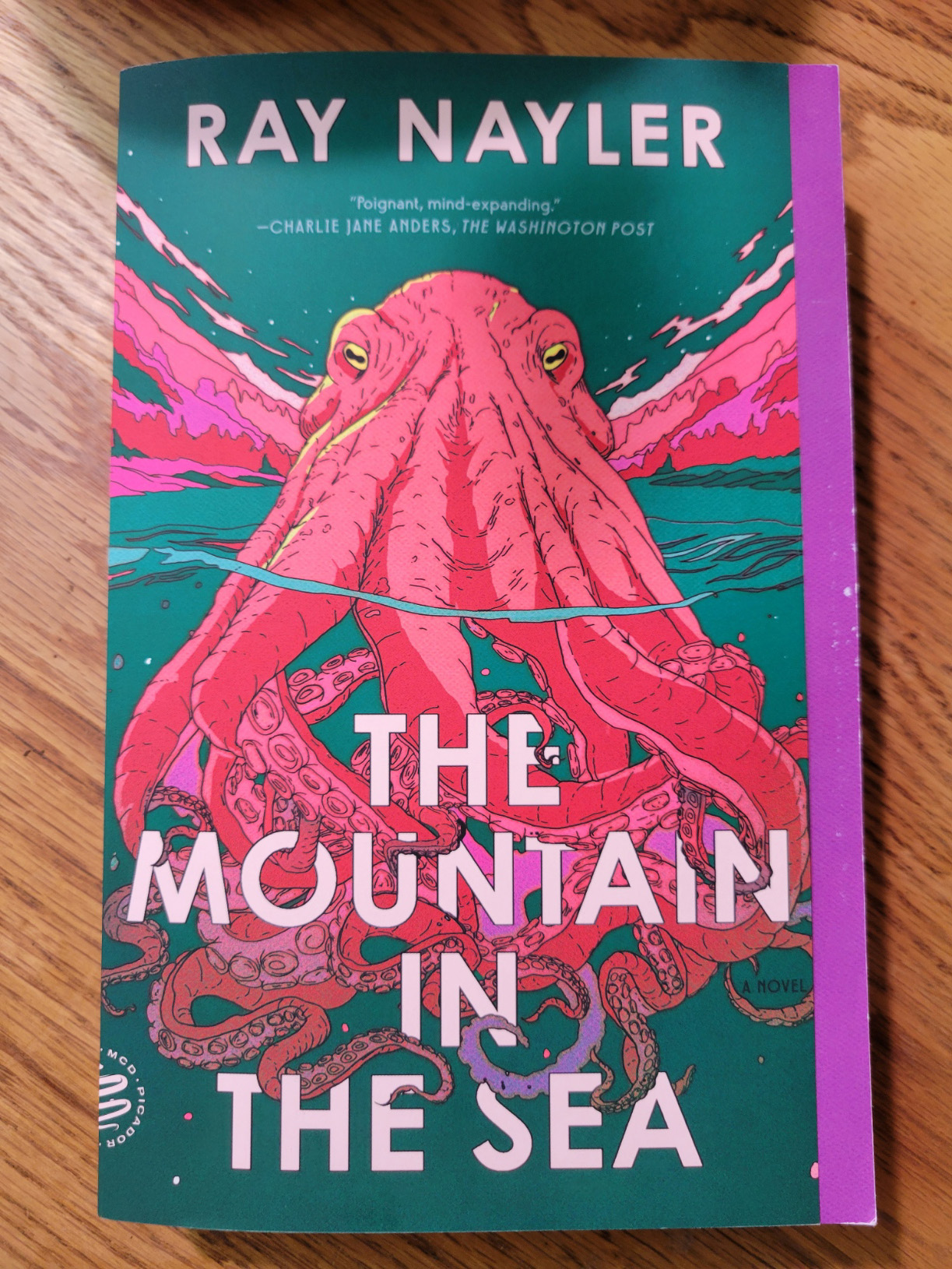
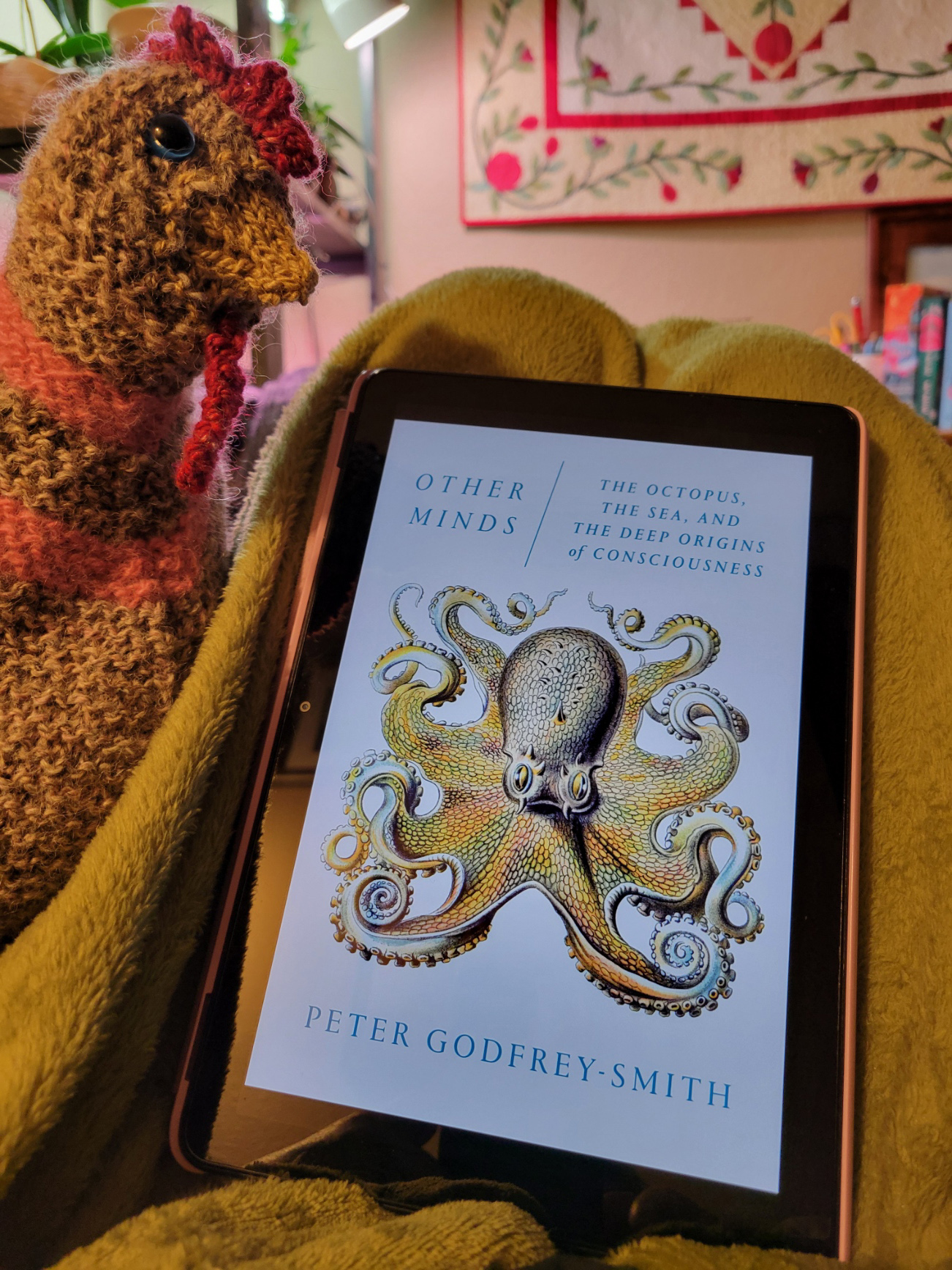
Then I read this book last week and I totally went down the Murderbot/Octopus rabbithole.

Do you know Murderbot? Murderbot is a robot/human cloned-tissue construct (corporate owned, of course) that was designed to serve humans as a security/defense tool. It has a failsafe device installed in its brain to control its behavior called the governor module: Murderbot hacked its governor module and is now a free agent trying to figure out what it wants while consuming massive amounts of media. Murderbot is a person, but it doesn’t want to be human. It is its own self, struggling to find its way and purpose (while killing/maiming the occasional bad human along the way) in a universe of heartless megacorporations who abuse human rights and use constructs as disposable tools.

The Mountain in the Sea explores some of these same issues. The book askes the question: What is a person? There are evil megacorporations who abuse the environment and employ human trafficking in their quest to turn a profit: Murderbot would completely understand this world. Even more, the book askes other important questions: What is required to be considered an intelligent species? Language? Tool use? Community and culture? Self-awareness and obvious problem solving? How do we identify and evaluate these?

The Mountain in the Sea has a robot with a brain that passes the Turing Test. Is it a person? What rights should it have? There is an octopus that probably could also pass the Turing Test if there was an octopus version. There is a soldier who provides security for the scientific research facility who utilizes octopus-like technical interfaces in her work. She also hides behind a robot-like translator so she can avoid interacting with the other humans… if she was Murderbot she’d be watching media. There is a scientist who is driven to build a perfect human-like brain, and a scientist who is driven to understand other brains. There are victims of human trafficking, and it is hard to not ask the question, what are the rights that all persons are entitled to? The Mountain in the Sea kind of had it all (if you are a BioGeek struggling with Wannabe-Covid long haul symptoms), and it was the perfect companion to my nocturnal Murderbot audiobooks.

I engaged in a lot of googling to check out information while reading the book. Yes, octopuses really can change their skin color and texture to immediately blend into the background. They really do build cities. They really do have brains that are completely different from our own, and those arms are somewhat autonomous as they interact with the environment. They use tools. You can check out these sources to learn more about octopuses. Octopus 101 and Octopuses Keep Surprising Us.

Late last week I went on an outing and headed into the book store.
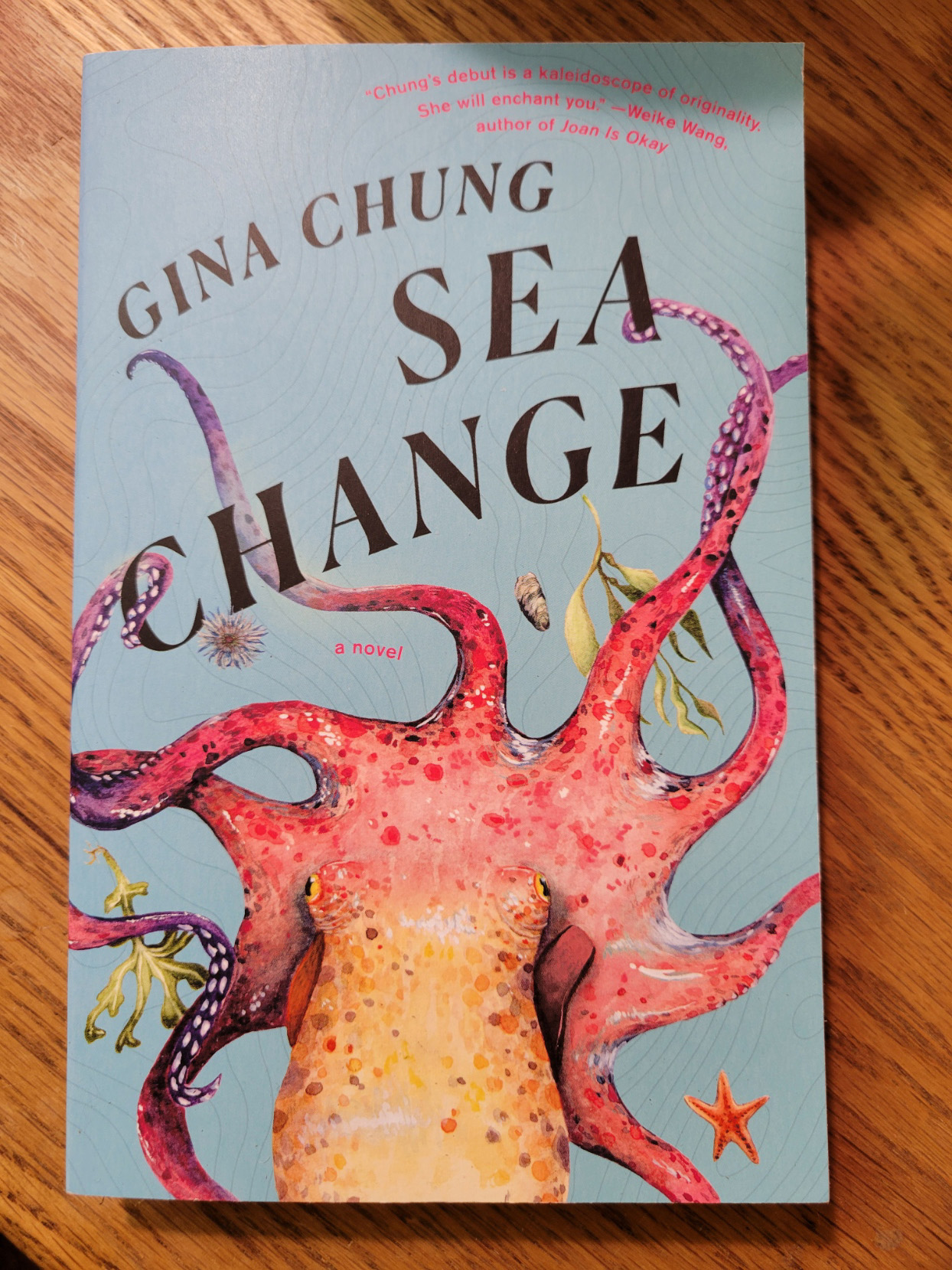
If it had an octopus on the cover it pretty much jumped off the shelf and landed into my basket. The dragon got in there too, somehow, but it lives in water too, right? It probably is self-aware and intelligent, right? It’s the Year of the Dragon, right?

But first, I’m reading all the octopus books.

p.s. The Murderbot Diaries is being adapted by Apple TV+ into a series. Yay! Murderbot would be thrilled to know it is becoming streamable media.

p.p.s. Anemia can be a symptom of Covid long-hauling. Seriously, I just wanted to pull my hair out when I saw this article. I was at the low end of normal when I got sick in October, and now my iron (ferritin) level is half of what it was. Wannabe Covid, I hate your guts!
The Wannabe Covid Books

Maybe you have caught on to what is going on with me these days. It’s been almost two months since I first became ill with some crazy virus (?) that had all the symptoms of Covid-19 but tested negative the two times that I checked. The doctor that I dragged myself in to see felt that I indeed had covid and proceeded on that assumption in his treatment recommendations. Ugh. I slowly recovered from the initial illness, but I didn’t get better. Fibromyalgia! declared my rheumatologist. We’re treating that and I am getting better (I can now get up and do stuff around the house for a couple of hours at a time. This is huge!) because I can finally read and write again. And knit! I am finally able to knit several times a week now as long as I give myself a recovery day or two each time because all my tendons hate me, evidently. Never mind, this is progress, people!

Anyway, I’m writing again. I have so many blog post ideas that I’ve been mulling over during my down time… fasten your seatbelt, here comes another!!

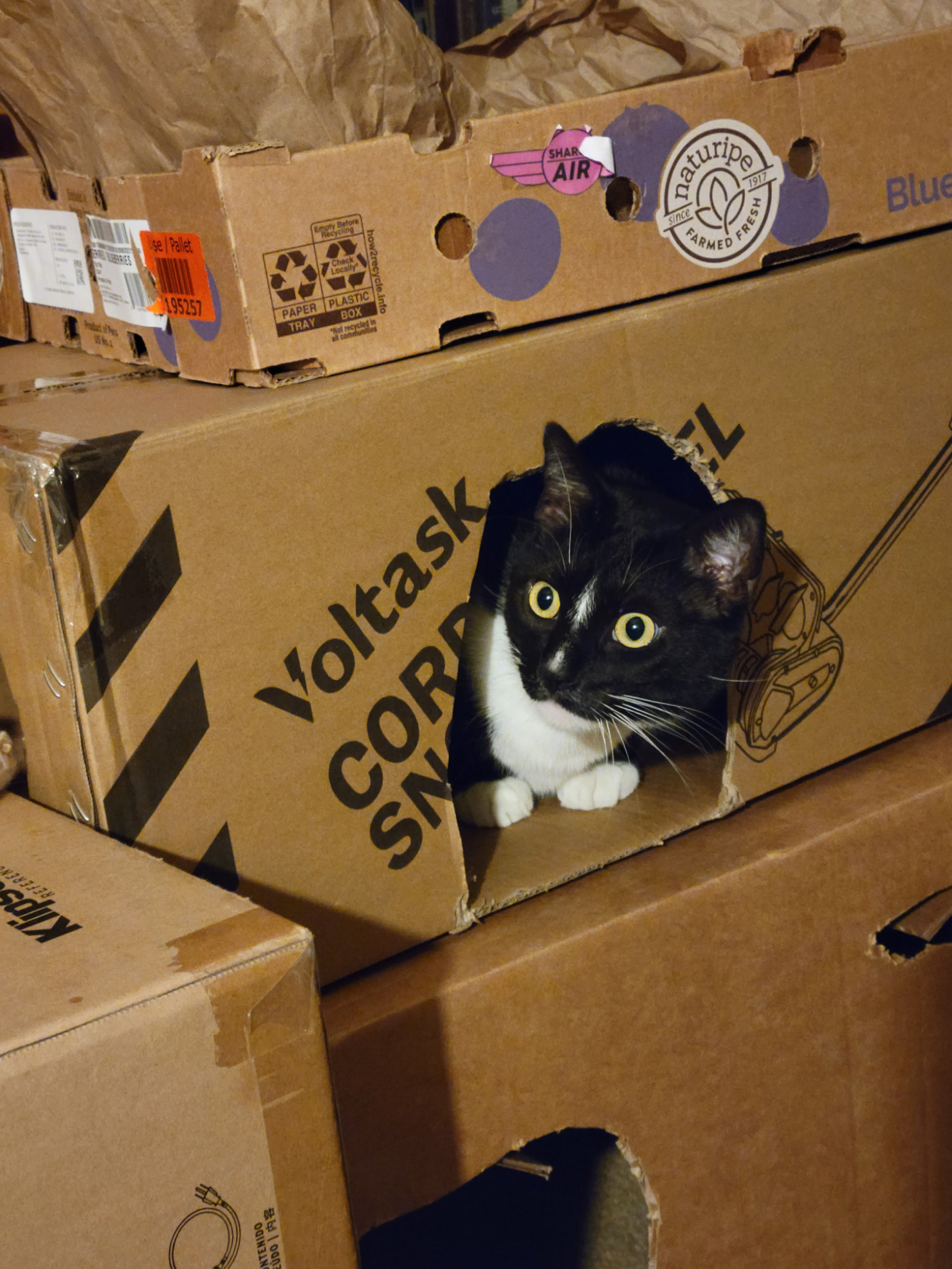
Hannah is enjoying her box fort while I’m writing this.

Unable to sit up for more than a half hour, and unable to concentrate enough to read, I spent my down time burrowed under the covers, flanked by neglected cats, binge watching online shows and listening to audiobooks. I listened to some really great books during this time! I’ve been mulling over how to talk about them for the last couple of weeks, and I have to admit that my choices and reactions to these books are influenced by my covid/fibromyalgia state when I listened to them.

Kind of an eclectic mix of books, right? There is a kind of nebulous theme going on, though, if you are willing to cut me a lot of slack. Each of these books is about people in a closed and isolated community making sense of their situation, creating workarounds that let them function in spite of formidable obstacles, and emerging in the end with some type of closure.

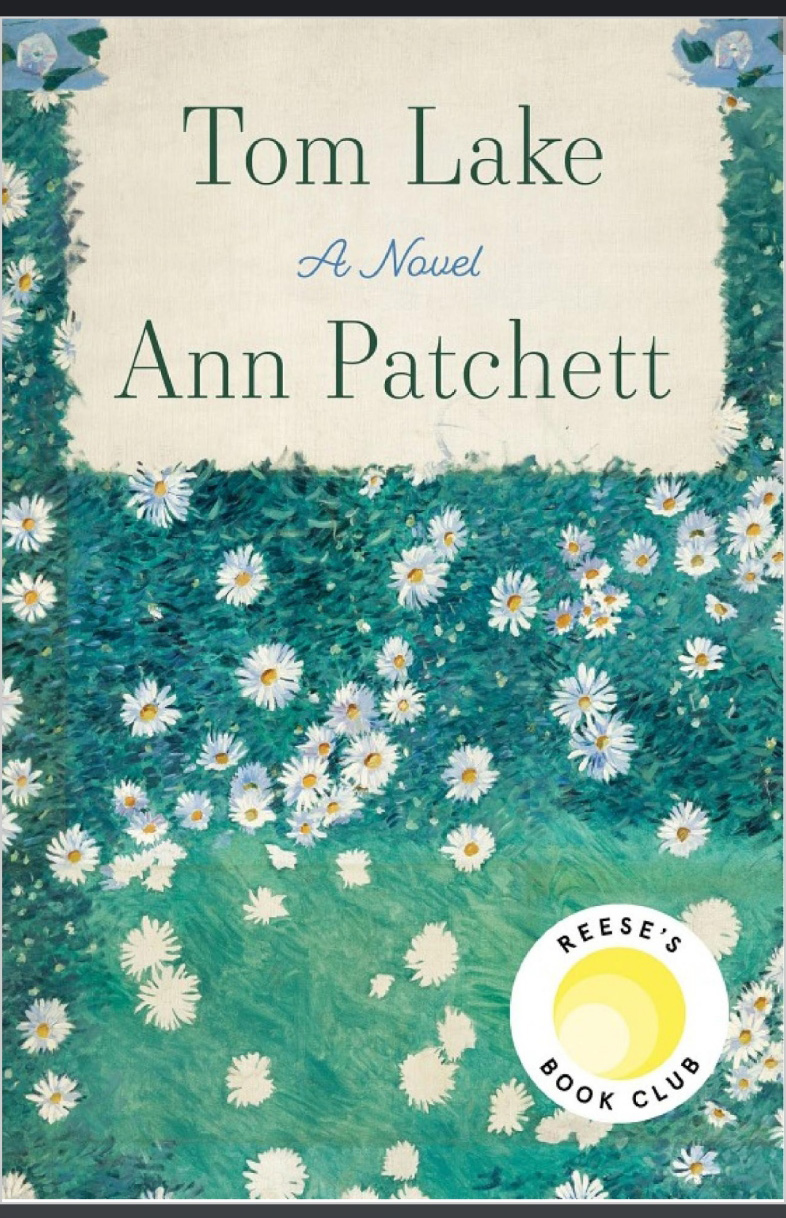
Tom Lake: It is the lockdown. It is also apple picking season at the family-owned orchard. All three girls in the family have come home, and the mother tells them all the story of her early life as they struggle to get the crop in with limited help from workers because… lockdown. All the drama of their lives is rehashed and worked out as the mother recounts her early years as an actress, her involvement in a summer theater company at Tom Lake (and her involvement with a budding actor who would go on to fame), and the decisions that she made that led her to this life in an apple orchard. This is a book about isolation, choices, values, and ultimately the power of women.

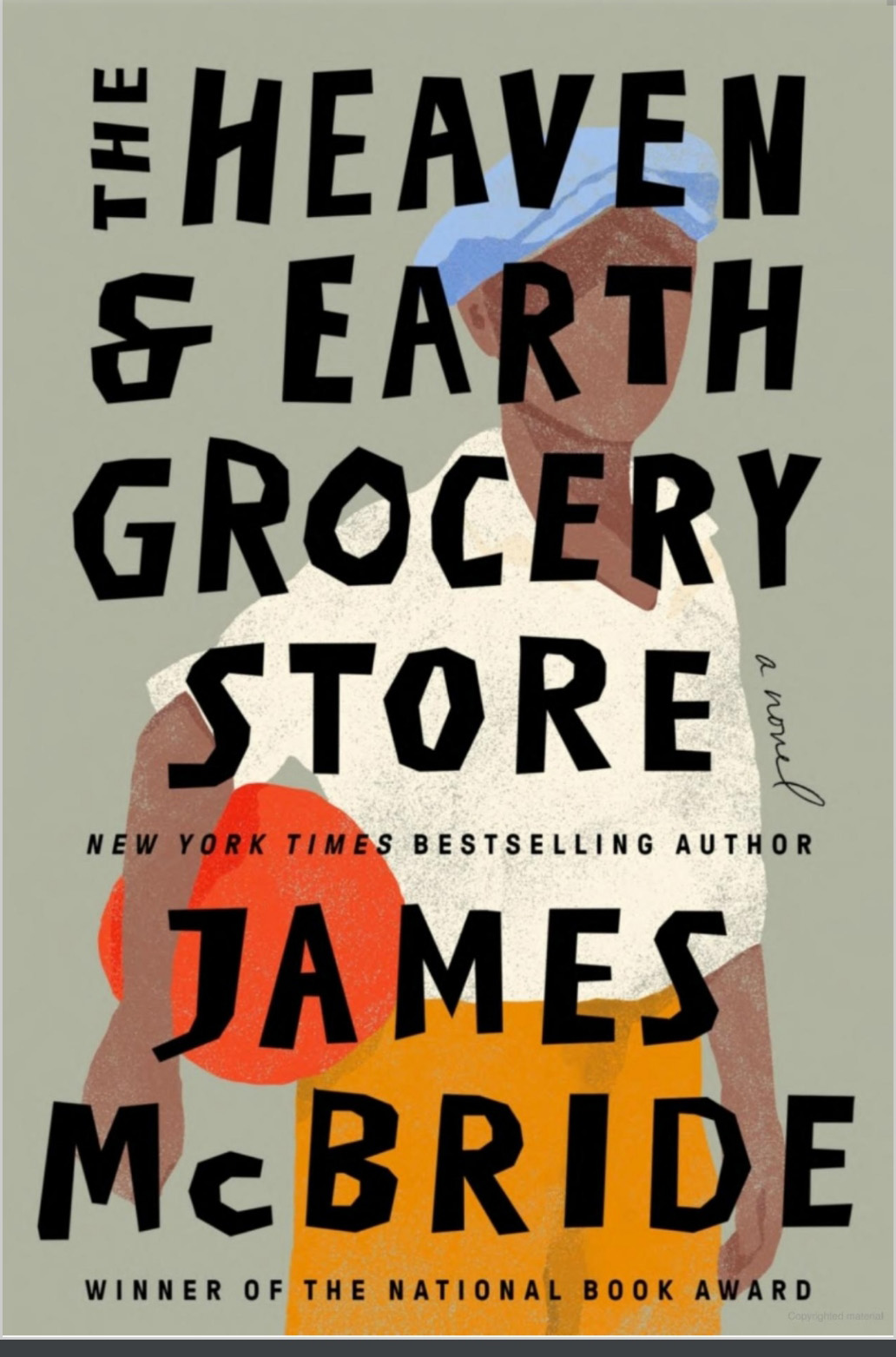
The Heaven & Earth Grocery Store: Wow. Imagine, if you will, a marginalized community called Chicken Hill that is made of intersecting Jewish and Black families. Imagine, if you will, clever strategies to outmaneuver the powers-that-be in order to flourish in a world where you are considered to be a powerless second-class citizen. Imagine characters who will steal your heart, break your heart, and then heal it right up again. Imagine the good guys winning in the end, and the villain of our story getting his just deserts. Imagine a great book. This is it.

The Running Grave: Cormoran Strike and Robin Ellacott are at it again. They’ve taken on a client who has worried concerns about a son living in a non-traditional religious community. Unable to contact the client’s son directly, or to understand what is really happening in this closed society, Robin goes undercover and enters the cult while Cormoran works other aspects of the case from the outside. Oh, boy. This is really, really scary and tense, and absolutely unbelievable and believable at the same time. The beliefs of the cult are frankly outrageous, but at the same time you suspect that it might be possible that something like this actually happens. Closed off from the world, living with the cult in a closed compound, Robin spirals down, pulls herself together, manages to get to the bottom of things, almost dies, escapes, and if you want to know the rest you have to read the book. This was a good one.

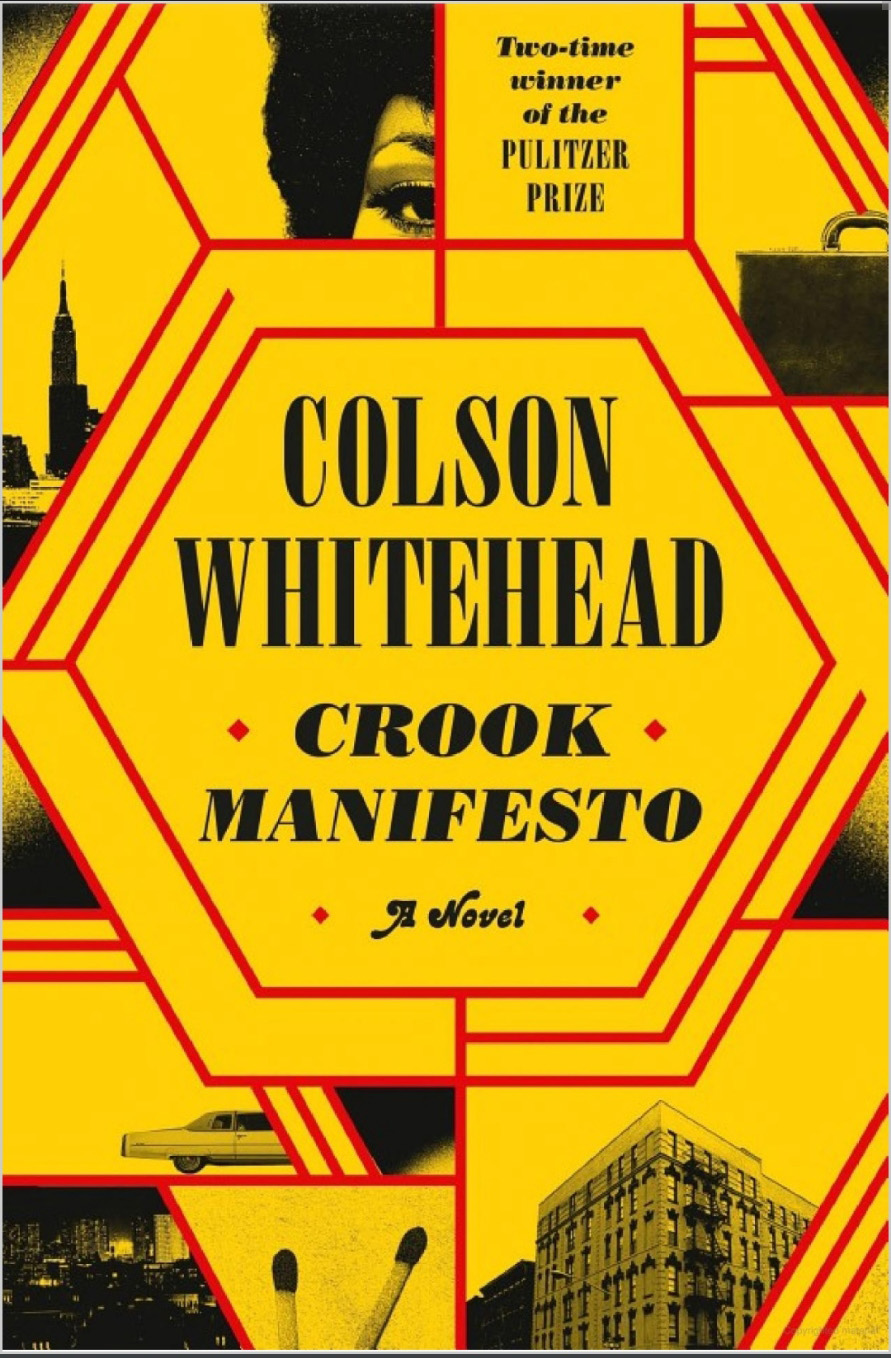
Crook Manifesto: I just want to say that I am in utter awe of Colson Whitehead’s command of language. Seriously, I just wanted to copy down all the utterly fabulous mental images that he invoked: perfectly captured, but also peppered with dark humor. Okay, now that I’ve gotten that out of the way, we are off to early 1970s Harlem to go on adventures with Ray Carney: family man, furniture store owner, former fence, and an upstanding (retired crook) member of his community. The book, like the one before it (Harlem Shuffle), is told in three parts. There’s a story dancing in the background as the reader journeys the three loosely connected parts of the book that involves self-identity, worth, and coming to terms with the past in a way that is meaningful.

Defiance: I’ve been reading this science fiction series for decades now; this is the 22nd book about humans living in a segregated community on an inhabited alien world with one chosen interface/diplomat between the two species, Bren Cameron. This is an intense sociopolitical story that covers a few days in the lives of an isolated group of characters as they attempt to put down a rebellion, ensure the safe resolution of a crisis on a space station overhead, and transition leadership responsibilities during a confusing communications blackout and a concealed agenda by one of the major players. It’s a ride. If you like tricky overthinking about political and social implications with the possibility of violence around every corner, this is the book (and series) for you.

Mateo: I know that Hannah is in this fort somewhere!!

So, there are my books of wannabe Covid. I’m now functioning better with less brain fog and dizziness, but the extreme fatigue and painful muscles/joints goes on. Tonight my right knee has decided that it wants to just lay around and watch shows all day.

Time to look for another good book. And maybe some chocolate. 🙂